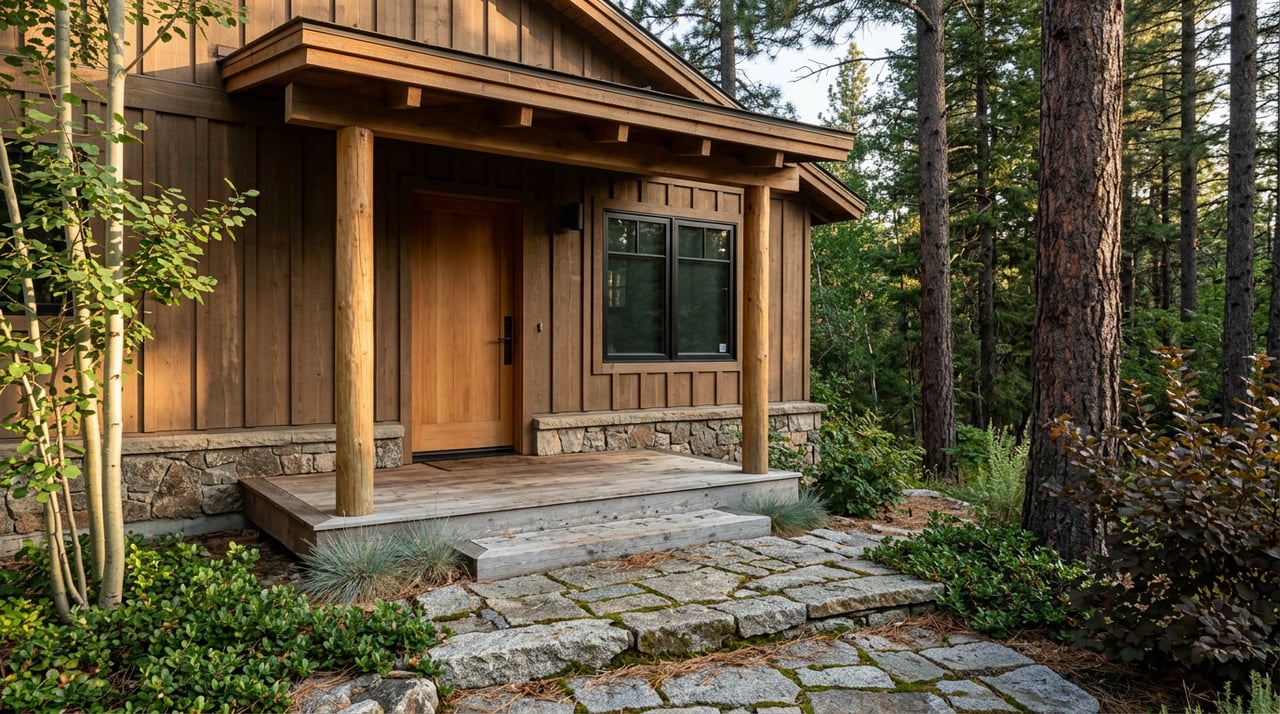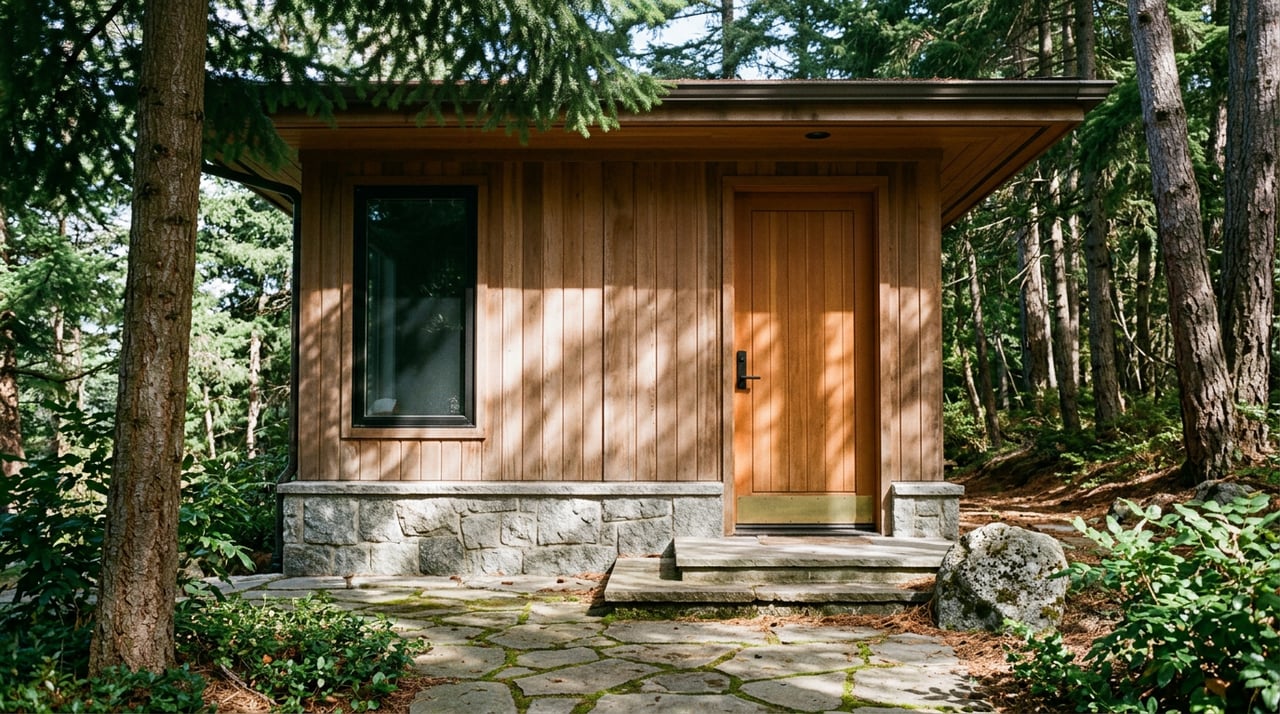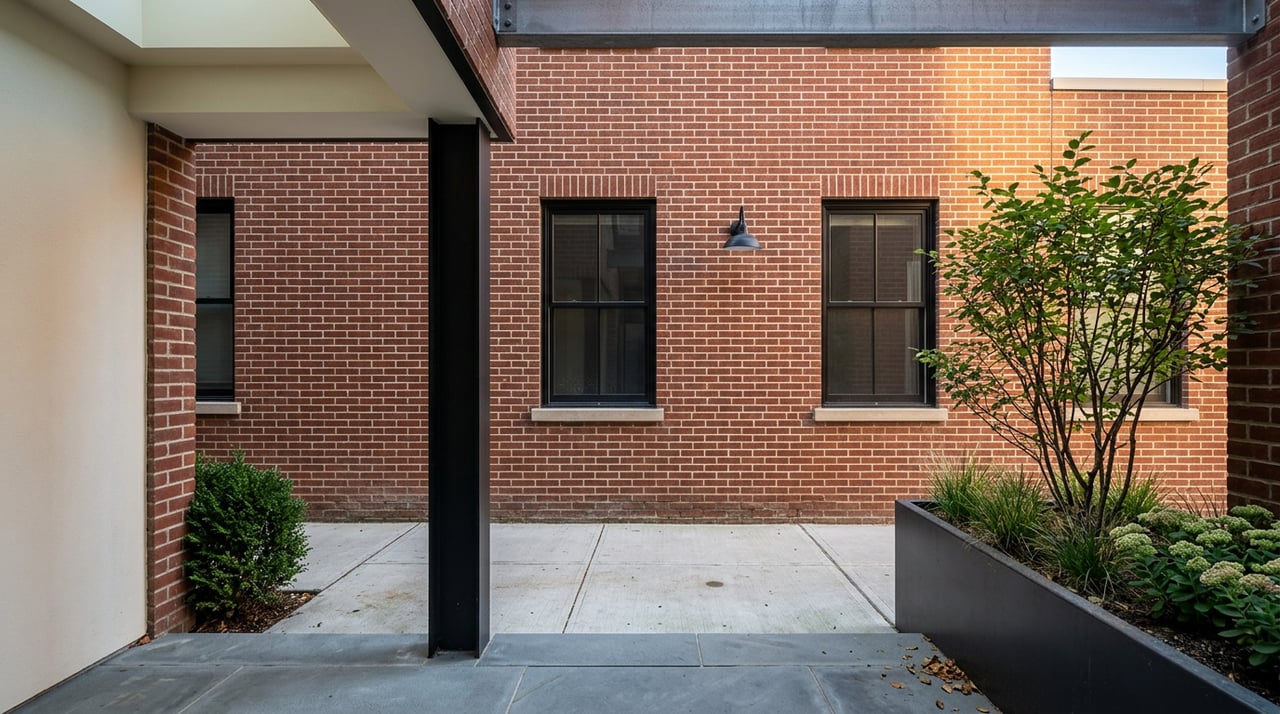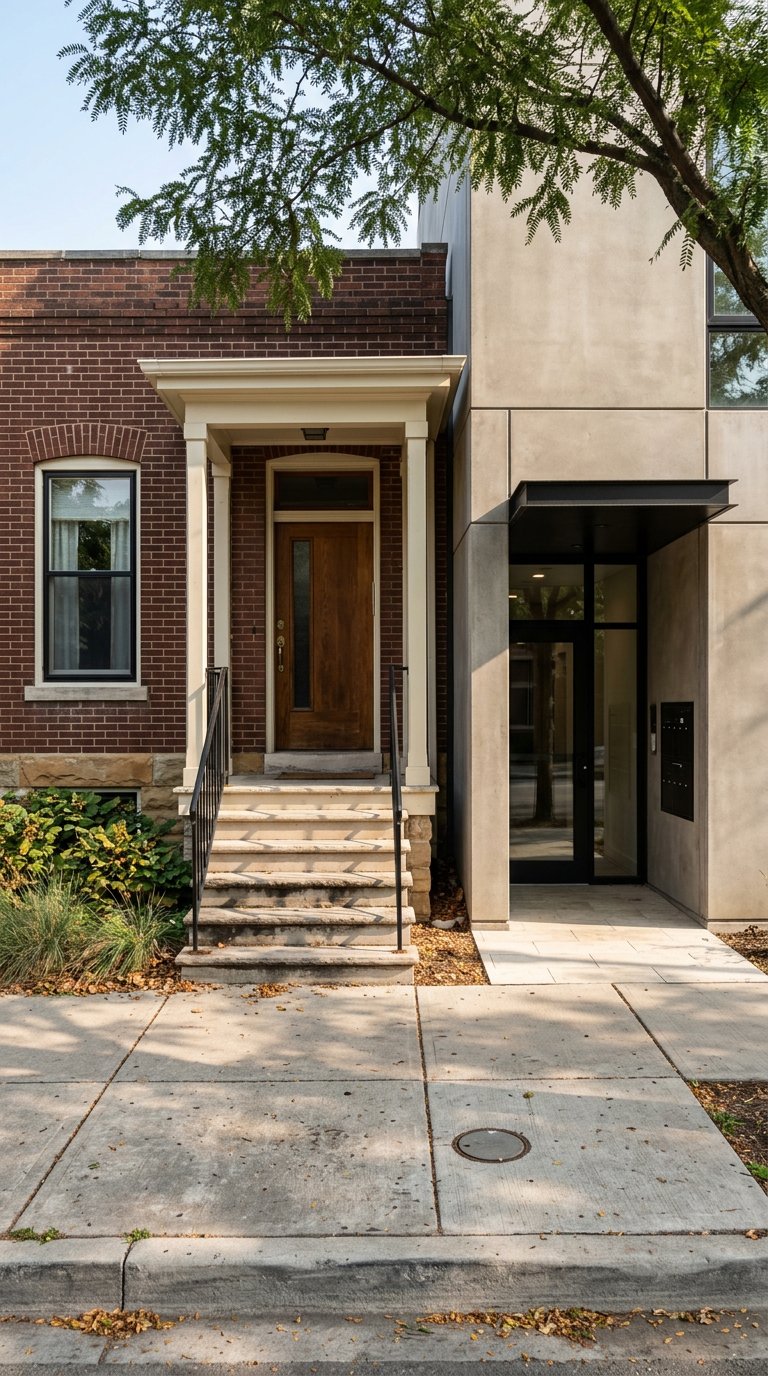
Torn between a low-maintenance condo downtown and the charm of a historic home just up the street? You’re not alone. Downtown Colorado Springs offers two very different paths to the same urban lifestyle: condo living close to the core, and early-1900s single-family houses in the historic neighborhoods just north of it. In this guide, you’ll learn how they compare on HOA coverage, maintenance, preservation rules, parking, walkability, resale, and financing so you can move forward with confidence. Let’s dive in.
What “downtown” includes
When locals say “downtown,” they usually mean the central core along and around Tejon Street, with restaurants, offices, venues, and civic spaces. Just north of the core you’ll find historic single-family neighborhoods like the Old North End and the broader Historic Uptown and Colorado College corridor. These areas include Victorian, Queen Anne, and Craftsman-era homes on individual lots with mature trees and either detached or limited garage options. You can learn more about the neighborhoods’ historic character and context through the Old North End resources. (Old North End overview)
Condo and loft options cluster in and near the core in mid-rise buildings or converted structures. Building services and amenities vary widely, which plays into monthly HOA dues and day-to-day convenience.
Lifestyle: walkability and transit
If you want a car-light lifestyle, downtown delivers. Walk Score rates the core as “Very Walkable,” which means most daily errands can be done on foot. The Downtown Terminal anchors regional transit, and the free downtown shuttle helps you move around the core without driving. That convenience is a major reason many buyers choose condos right in the center. (Downtown walkability and transit context)
Historic single-family homes immediately north of the core also offer strong access to restaurants, coffee, trails, and events. You’ll likely walk into downtown for dining and entertainment. Day to day, you may still rely more on street or alley parking and personal vehicles than a condo owner right in the core.
Condos: HOA coverage and costs
With condos, you own the interior of your unit and share ownership of common elements. The homeowners association typically maintains and insures building exteriors, roofs, elevators, lobbies, corridors, and shared mechanical systems. Associations also contract for snow removal, landscaping, and often some shared utilities. You’re generally responsible for interior finishes and personal property, and you’ll carry an HO-6 insurance policy. (What condo HOAs cover) (Condo HO-6 basics)
Colorado associations operate under the Colorado Common Interest Ownership Act, known as CCIOA. The statute outlines association powers and duties, financial transparency, and insurance responsibilities. It also sets expectations around reserves and disclosures that matter during your purchase. (CCIOA association duties and insurance)
Monthly HOA fees vary by building age, amenities, and what utilities and insurance are included. Representative downtown listings show dues roughly in the $200 to $750 range. Always confirm the current HOA fee, budget, and what the master policy covers for the specific unit you’re considering. (Example showing typical fee variability)
Historic homes: upkeep and preservation
When you buy a historic single-family home, you control your property without an HOA in most cases. You also take on the full spectrum of maintenance: exterior envelope, roof, foundation, original windows, mechanical systems, and landscaping. Older homes may use historic-quality materials and craftsmanship that require specialized contractors, which can add cost. The Old North End and adjacent historic neighborhoods provide helpful context for architectural character and stewardship expectations. (Historic neighborhood context)
For budgeting, a common rule of thumb is to set aside 1 to 4 percent of a home’s value each year for maintenance, with older properties often on the higher end. The best move is to get a thorough inspection and contractor estimates for roof, electrical, plumbing, and foundation before you close. (Annual maintenance budgeting guidance)
Design review in historic overlays
Parts of the neighborhoods north of downtown fall within the City’s Historic Preservation overlay. If your home is in an HP overlay, exterior changes may require an application and design review to ensure the work is compatible with the historic character. This can affect timelines and costs for projects like windows, siding, additions, and sometimes fences or roofing. Plan ahead and verify permit needs early. The City’s Historic Preservation page outlines the process and resources. (City Historic Preservation overview)
Parking and mobility tradeoffs
- Condos and lofts: Many buildings include assigned or deeded parking, sometimes in a shared garage, plus visitor spaces. Always confirm whether the space is deeded or assigned, and review the condo documents for parking specifics.
- Historic single-family homes: Street parking, alley access, or small detached garages are common. If you have multiple vehicles or frequent guests, check local rules and any neighborhood parking programs, and confirm how you access the garage or alley in winter conditions. (Historic neighborhood parking patterns)
For overflow or commuting, downtown also has public parking garages that serve the core. El Paso County operates garages such as Costilla and Sahwatch, and the county has updated systems to improve user experience. As with any downtown, enforcement and curb management evolve, so check current guidance if on-street availability is a priority for you. (County downtown garages update)
Walkability and transit can offset parking needs. If you plan to walk to restaurants, events, and work, or use the Downtown Terminal and free shuttle, a condo in the core may minimize your driving. Historic neighborhoods remain very walkable to many amenities, but your day-to-day may still lean more on a car.
Resale and financing differences
Condos and historic single-family homes can both perform well on resale, but each comes with different considerations.
- Condos: Project financial health matters. Review the association budget, reserves, minutes, any reserve study, insurance certificate, and litigation disclosures during due diligence. Low reserves, pending litigation, and high delinquency rates can affect financing and marketability. CCIOA outlines key governance and disclosure rules that you and your lender will care about. If you plan to use FHA or VA financing, verify whether the project is approved or whether single-unit approvals are possible under current rules. HUD maintains the official guidance and tools for checking eligibility. (CCIOA financial and insurance framework) (FHA condo approval guidance)
- Historic single-family homes: Condition and stewardship expectations shape your buyer pool. Many buyers value architectural character and private outdoor space. Plan for thorough inspections and get an insurance quote early, since older construction can have different coverage needs and premiums. If the property is in a Historic Preservation overlay, set realistic timelines for any exterior updates. (Annual maintenance considerations) (City Historic Preservation overview)
Quick buyer match checklist
Choose a downtown condo if you want:
- Very strong walkability and easy transit access to downtown destinations.
- Predictable exterior maintenance handled by the HOA.
- Building amenities or added building security.
- A smaller maintenance footprint, understanding you will pay monthly dues and live within association rules.
Choose a nearby historic single-family home if you want:
- Architectural character and a private yard or garden.
- Full control over your home’s exterior decisions where not limited by overlays.
- Willingness to take on higher or more variable maintenance costs.
- A stewardship mindset if the home is in a Historic Preservation overlay.
How to vet your choice
For condos:
- Read the HOA’s budget, reserve policy, and most recent reserve study if available.
- Confirm what the master insurance policy covers and what you need on your HO-6 policy. Ask for the current certificate of insurance. (Association insurance duties under CCIOA) (HO-6 policy overview)
- Verify parking is deeded or assigned and review any rental or short-term rental rules that could affect flexibility.
- If using FHA or VA, check current condo approval status. (FHA condo approval guidance)
For historic single-family homes:
- Order a deep inspection focused on roof, foundation, electrical, plumbing, and HVAC.
- Get contractor bids for any major repairs or updates before you finalize terms.
- If in a Historic Preservation overlay, contact the City’s Historic Preservation office early to understand design review and permit timing. (City Historic Preservation overview)
- Budget using the 1 to 4 percent rule of thumb and refine with actual estimates. (Maintenance budgeting guidance)
Work with a local guide
The choice between a downtown condo and a historic home is about lifestyle, maintenance tolerance, and long-term plans. A clear plan and disciplined due diligence will get you to the right answer. If you want an advisor who knows downtown blocks, HOA bylaws, and historic overlay rules, we’re here to help you compare options, line up inspections, review HOA documents, and negotiate with a strategy that fits your goals.
Ready to explore both paths and see what fits your life best? Schedule a free consultation with DogHouse.
FAQs
What does a condo HOA fee usually cover in downtown Colorado Springs?
- Most condo HOAs maintain and insure common areas and exteriors, handle snow and landscaping, and may include some utilities. You still insure your interior with an HO-6 policy. Review the building’s declarations and master policy for specifics. (What condo HOAs cover) (CCIOA insurance duties)
How do historic preservation rules affect home updates north of downtown?
- If your home sits in a Historic Preservation overlay, exterior changes often require design review to keep work compatible with neighborhood character. Plan for added review time and confirm permits before starting. (City Historic Preservation overview)
Are condos or historic single-family homes easier to resell downtown?
- It depends. Single-family homes often draw a broader buyer pool. Well-managed condos with solid reserves, clear policies, and strong locations also resell well. Review HOA financials and project health during due diligence. (CCIOA financial and insurance framework)
Can I use an FHA loan to buy a downtown condo?
- Possibly. Many condo projects require FHA approval, though certain single-unit approvals may be available under current rules. Check HUD’s guidance and the project’s status before you write an offer. (FHA condo approval guidance)
How should I budget maintenance for a historic home near downtown?
- A simple starting point is 1 to 4 percent of the home’s value per year, with older homes often at the higher end. Refine that estimate with inspection findings and contractor quotes. (Maintenance budgeting guidance)