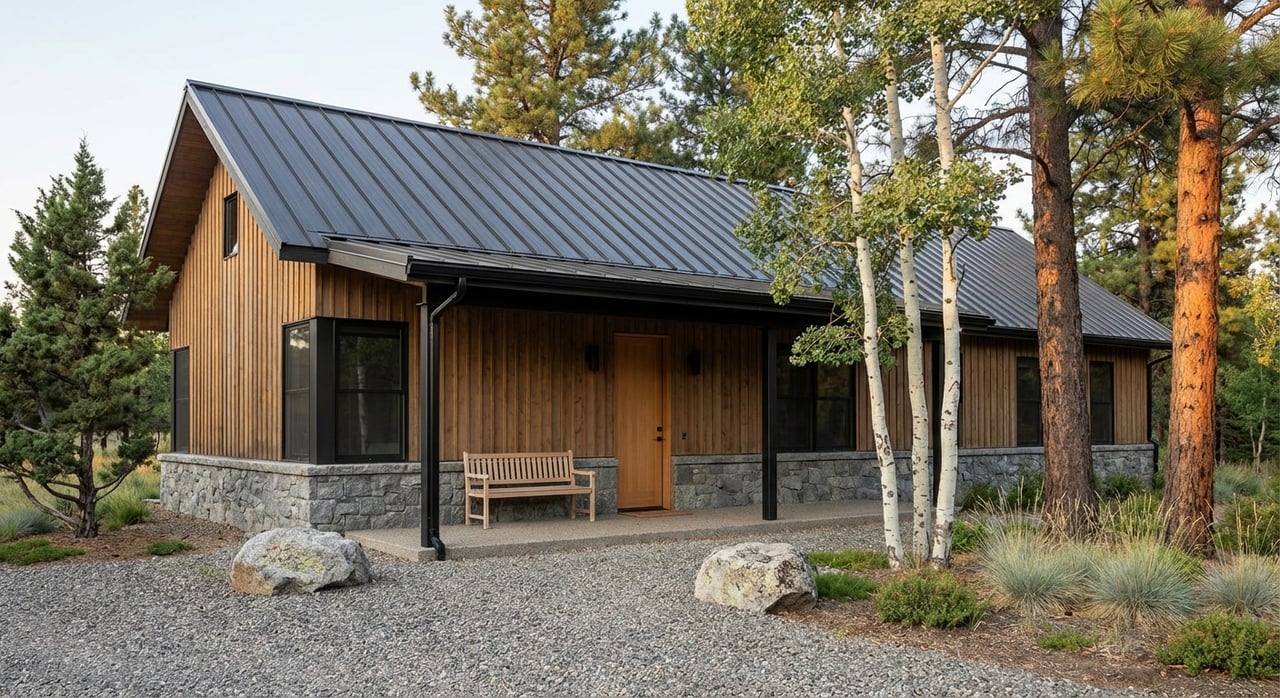
What would it take to own a true mountain basecamp just up the pass from Colorado Springs? If you are picturing coffee on a pine-lined deck, quick access to trails, and maybe some rental income when you are away, you are in the right place. In this guide, you will learn 2026 price ranges, what property types to expect, how short-term rentals work, and how to handle wildfire risk and insurance. You will also get a step-by-step due diligence checklist tailored to Woodland Park. Let’s dive in.
Why choose Woodland Park
Woodland Park gives you a small-mountain-town feel with an easy drive to the Front Range. It attracts weekenders, second-home buyers, and investors who value outdoor access and a quieter pace. Demand is seasonal, with stronger interest in summer and holiday periods.
Compared with big-name ski towns, you will generally see lower purchase prices and lower nightly rates. That tradeoff works for many buyers who want lifestyle first and measured rental potential as a bonus.
What homes cost in 2026
As of late January 2026, Zillow’s Home Value Index places Woodland Park around $522,000. Other trackers vary. Redfin’s recent snapshot showed a median sale price near $494,000, while Homes.com reported a 12‑month median in the mid‑$540Ks. These differences reflect data windows and inputs. Treat them as directional and always verify with current comps when you are ready to write an offer.
Here is what second-home buyers commonly see on the market:
- Entry options: roughly $200,000 to $350,000. Think smaller cabins, older condos, or fixer homes. Inventory exists, but it is limited.
- Mid-range: about $350,000 to $700,000. Many 2–3 bedroom cabins and single-family homes fall here and serve well as second homes.
- Premium: $700,000 and up. Larger lots, upgraded finishes, views, or turnkey investment homes push into this tier.
What you will find on the ground
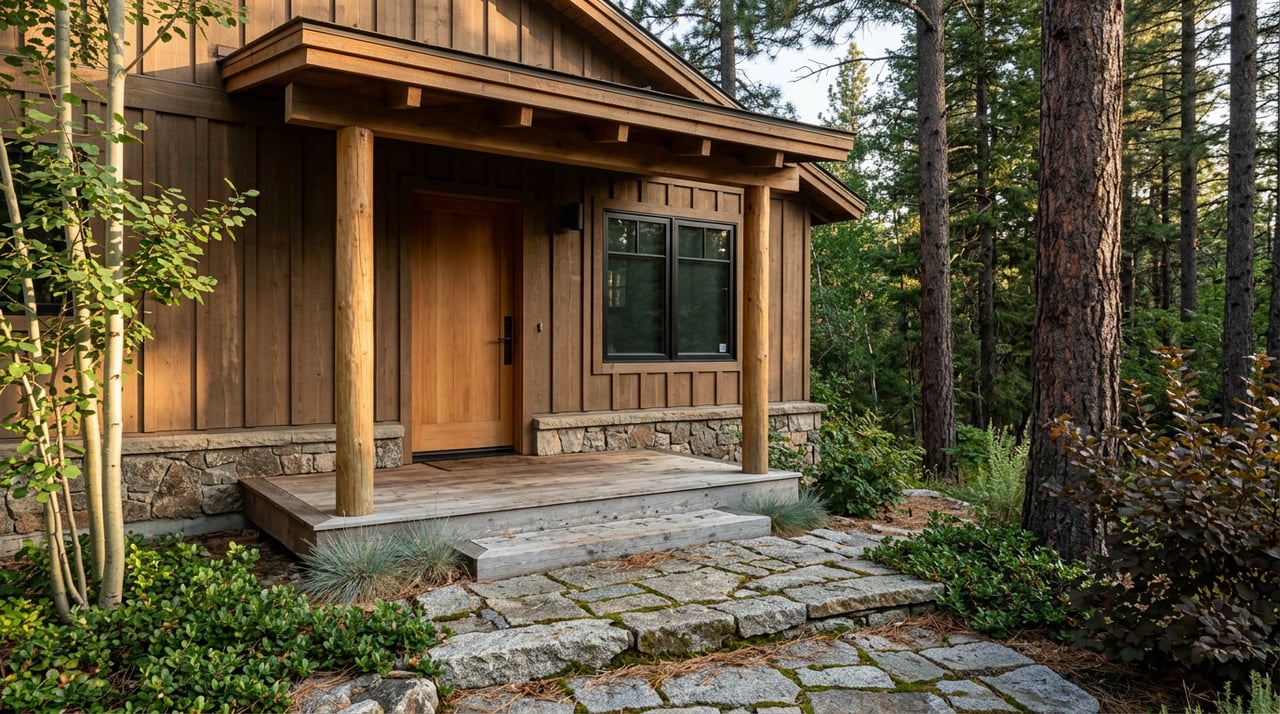
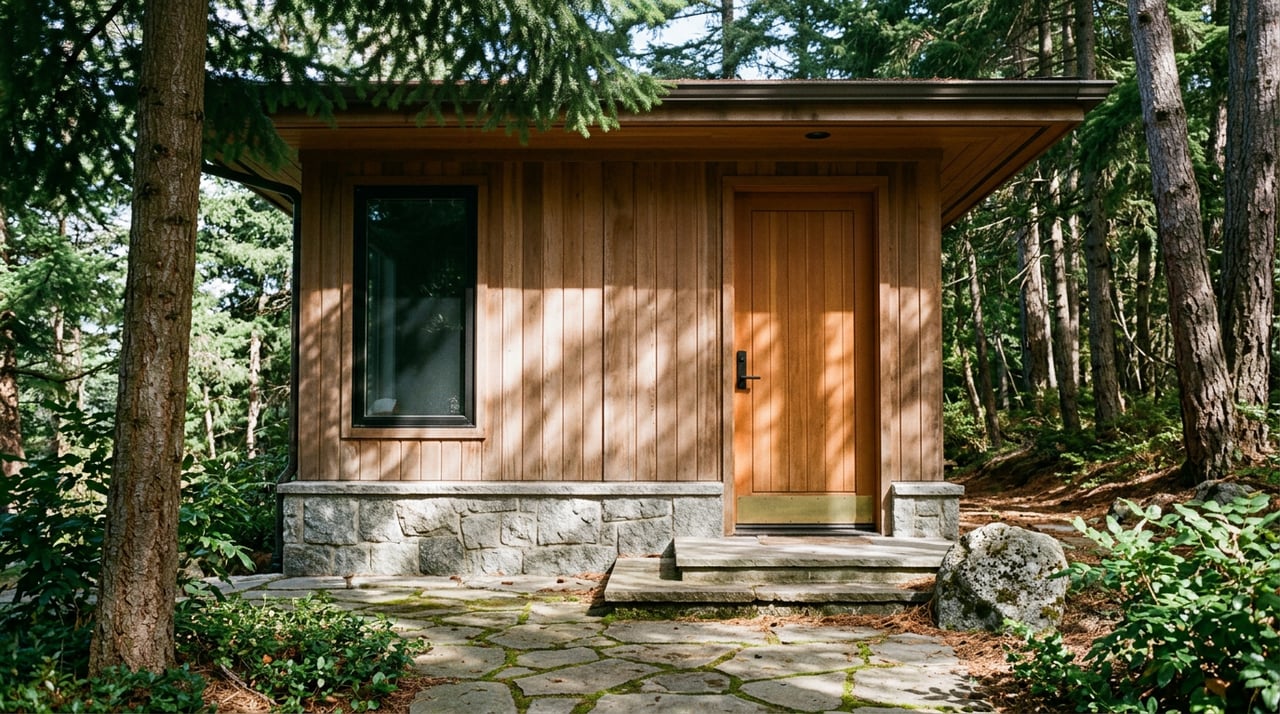
Most listings are single-family cabins or houses on forested lots. You will also see some townhomes, condos, and occasional vacant lots for custom builds. Many properties sit on private roads. Confirm recorded access and any snow-removal or road-maintenance obligations with the title company and Teller County Planning and Zoning. This is a simple step that prevents headaches later.
If you plan to short‑term rent
Short‑term rentals are allowed in Woodland Park, but there is a defined process. Inside city limits, you need a zoning permit to set occupancy and parking and an annual STR business license. The city also requires hosts to post Good Neighbor rules and to remit city taxes. The annual STR business license fee is $35. City sales and lodging taxes total 8.70 percent. You can review the process and requirements on the City’s Short‑Term Rental Resource Center.
If you want to rent, take these steps early:
- Verify jurisdiction. Is the property inside city limits or in unincorporated Teller County? City STR rules apply only inside the city. County land-use rules and HOA covenants may apply elsewhere. Start with the City STR hub and County Planning.
- Confirm legality. Ask for any existing STR zoning approval, the business license, HOA CC&Rs, and evidence of prior city tax remittance.
- Know the tax reality. Woodland Park notes that booking platforms do not remit city taxes for you. Plan to file and pay.
What to expect for revenue. Public STR dashboards show moderate, seasonal performance in Woodland Park. A recent snapshot reported about 65 percent occupancy, an average daily rate near $180, and typical host revenue around $44,000 per year. Treat this as illustrative only. Results vary by location, home size, finish level, and host quality. See the market snapshot from an STR aggregator like Airbtics and build a conservative pro forma that includes cleaning, supply restocking, management, utilities, insurance, and city taxes.
Operational tips that matter in mountain towns:
- Line up reliable cleaning and snow removal. Winter access and quick turnovers matter.
- Create clear house rules for parking, noise, trash, and fire safety. Woodland Park requires Good Neighbor rules for guests.
- Keep emergency contacts local and visible. It improves guest experience and protects your property.
Wildfire risk, mitigation, and insurance
Most of Woodland Park and Teller County sit in the wildland‑urban interface. That means you should plan for mitigation and take a closer look at insurance options.
Start with community wildfire planning resources. Review local Community Wildfire Protection Plans to understand priority areas and recommended steps for your property. The Colorado State Forest Service maintains a statewide list of CWPPs and guidance on home hardening and defensible space. You can explore those resources on the CSFS CWPP page. Local field offices, including the Woodland Park office, can point you to current best practices and community projects.
Mitigation funding and projects are active in this region. Colorado’s Strategic Wildfire Action Program helps fund fuels work and resilience projects that can improve community‑level risk profiles over time. Learn about current initiatives on the state’s COSWAP program page.
Insurance has tightened across Colorado’s mountain and Front Range communities. Premiums have risen, and some owners have seen nonrenewals. Recent coverage explains why buyers should get quotes early and compare multiple carriers. For context, see statewide reporting on Colorado’s homeowners insurance challenges from the Colorado Sun.
Two state programs are worth knowing:
- HB25‑1182 requires insurers that use wildfire risk models to disclose your risk score, consider documented mitigation for discounts, and provide an appeals path. You can read the bill details on the Colorado General Assembly’s page for HB25‑1182.
- Colorado’s FAIR Plan serves as a last‑resort option for properties that cannot secure private coverage. FAIR Plan policies are typically more limited and can cost more than standard market policies. Review the state’s background bulletin on the FAIR Plan from DORA.
Practical steps for you:
- Get quotes early in the offer process. Ask independent brokers about carriers that actively write in WUI areas.
- Document mitigation. Defensible space, ember‑resistant vents, Class A roofs, and non‑combustible siding can help underwriting and may qualify for discounts under HB25‑1182.
- Expect higher hail or wildfire deductibles. Read definitions, sublimits, and replacement cost provisions carefully.
Your due diligence checklist
Use this list before you write an offer or during your contingencies. It is designed for mountain properties in and around Woodland Park.
- Confirm jurisdiction and rules
- Identify whether the home is inside Woodland Park city limits or in unincorporated Teller County. City STR licensing and city taxes apply only inside the city. Start with the City’s STR Resource Center and verify any rental intent before you commit.
- Title and access
- Order a title commitment. Confirm recorded access, utility easements, and any private road maintenance agreements. Check for mineral rights reservations. Teller County maintains planning and land-use resources at Planning and Zoning.
- Water, septic, and utilities
- For private wells, verify the well permit and well log. For septic, order a professional inspection and confirm permitted capacity. Ask for maintenance records.
- Permits and code compliance
- Verify whether major work was permitted and closed out. Roofing, additions, wood stoves, and electrical changes can affect insurability and resale. The Pikes Peak Regional Building Department covers Woodland Park. Start with the PPRBD Homeowner Permit page to understand permit lookups.
- Wildfire risk and mitigation evidence
- Review CWPP maps and ask the seller for documentation of defensible space, venting, and roofing materials. The CSFS CWPP resource is a good reference.
- Insurability check
- Ask your agent to obtain preliminary quotes and availability before your objection deadline. If the seller has recent premium or nonrenewal information, request it. If needed, review your rights under HB25‑1182 and keep the FAIR Plan overview in mind as a backstop.
- STR legality and HOA rules
- If you plan to rent, request copies of any current STR approvals or license, HOA CC&Rs, and evidence of city tax remittance. Reconfirm rules using the City’s STR Resource Center.
- Specialized mountain-home inspections
- Roof, chimney and wood stove, septic, well and water quality, pest inspection for wood‑destroying organisms, radon testing, and drainage or foundation checks on sloped lots. Be sure any new roofs or stoves were permitted through PPRBD, since that can influence insurance.
After you buy: budget and plan
Second homes in mountain settings come with a few ongoing tasks. Plan for seasonal snow plowing and road grading if you are on a private road. Keep up with defensible space, leaf and gutter clearing, and periodic roof inspections for hail wear. If you operate an STR, keep licenses current, remit city lodging and sales taxes, and maintain posted Good Neighbor rules per the City STR Resource Center.
How Woodland Park compares
Versus resort markets like Vail or Breckenridge, Woodland Park is usually less expensive and less tourism‑driven, which tends to mean lower nightly rates and more seasonal occupancy. If you want balanced lifestyle value with measured rental potential, that formula can work well. Short‑term rental aggregators show Woodland Park’s occupancy and rates tracking in a moderate band for 2026, which supports realistic, conservative underwriting.
Compared with Front Range foothills communities like Evergreen or Conifer, Woodland Park often trades a slightly longer drive to the Denver metro for lower pricing and a Colorado Springs‑oriented lifestyle. The due diligence items are similar across these towns: wildfire preparation, winter access, and careful review of permits and utility systems.
How DogHouse helps you buy with confidence
Buying a second home in the mountains should feel exciting, not stressful. You deserve a clear plan, fast answers, and an agent who knows how to pressure‑test a property for STR potential, wildfire readiness, and year‑round access. As a veteran‑led, investor‑savvy team, we combine disciplined process with local Woodland Park insight so you can move from idea to keys with confidence. Schedule a free consultation with DogHouse to map your search, run numbers, and line up the right inspections and insurance steps.
FAQs
What are typical 2026 prices for second homes in Woodland Park?
- Illustratively, buyers see small cabins or condos around $200,000 to $350,000, many 2–3 bedroom homes between $350,000 and $700,000, and premium homes above $700,000, with market medians near the low‑to‑mid $500Ks as of January 2026.
Are short‑term rentals allowed in Woodland Park city limits?
- Yes, with a zoning permit and an annual STR business license, plus required posting of Good Neighbor rules and city tax remittance; see the City’s Short‑Term Rental Resource Center.
How do wildfire risks affect insurance for Teller County mountain homes?
- Insurers are cautious in WUI areas, so get quotes early, document mitigation for potential discounts under HB25‑1182, and keep the FAIR Plan in mind as a last‑resort option.
What inspections should I order for a Woodland Park cabin or second home?
- In addition to a general inspection, budget for roof, chimney and wood stove, septic, well and water quality, pest, radon, and drainage or foundation evaluations, and verify permits with PPRBD.
Where can I check wildfire planning for a specific area or subdivision?
- Review Community Wildfire Protection Plans and mitigation guidance on the CSFS CWPP page and consult local field resources.
What STR performance should I expect in Woodland Park?
- A recent public snapshot showed roughly 65 percent occupancy, an ADR near $180, and around $44,000 in annual revenue per active listing, but results vary; start with data from Airbtics and model conservatively.