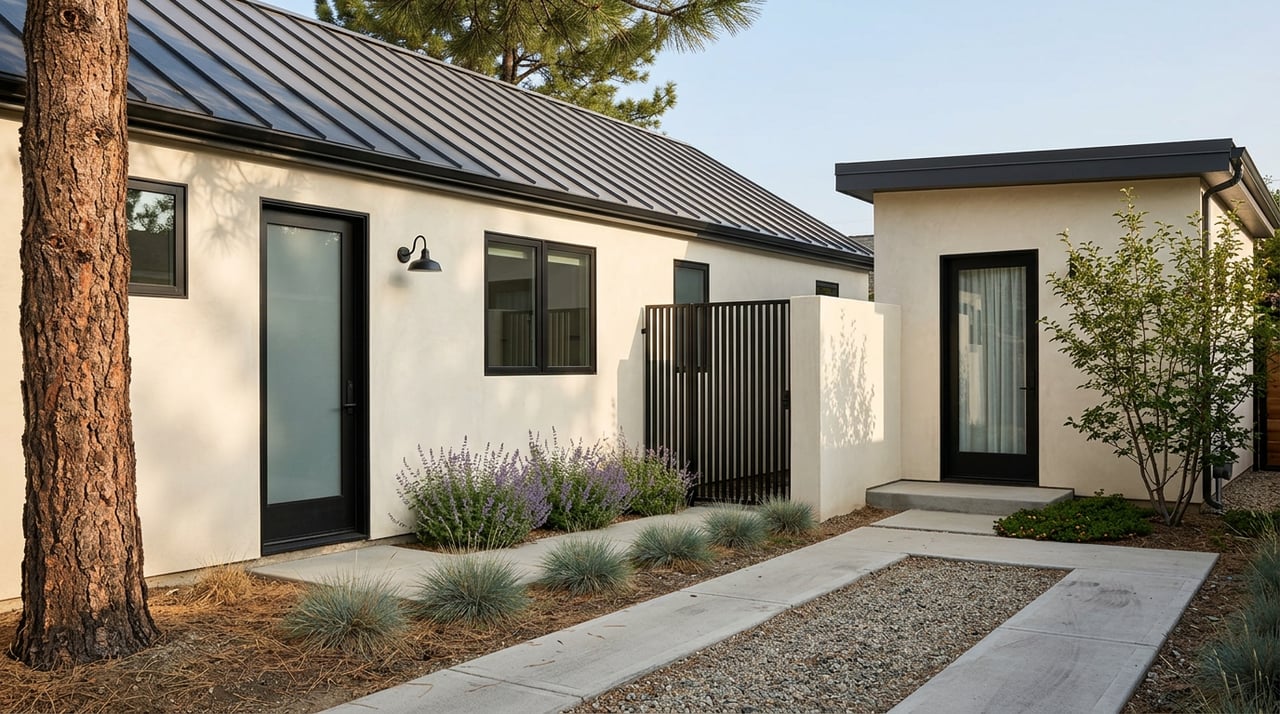
Thinking about lowering your housing costs while building equity on the west side? In Old Colorado City, smart house hacking can turn a well‑located property into a steady income source. You want clear answers on what is legal, what it might earn, and where the headaches hide. In this guide, you’ll learn the rules, real‑world paths that work here, the biggest risks, and a simple way to run the numbers for your situation. Let’s dive in.
Why house hacking fits Old Colorado City
Old Colorado City sits within Colorado Springs’ historic west side, known for its walkable Colorado Avenue corridor, small businesses, and older housing stock. That mix creates opportunities for duplexes, ADUs, and finished basements. It also means you must plan around parking and design sensitivity. The city’s Midland Corridor study documents tight curb space and evolving street design, which can affect tenant parking and access. You can review corridor and parking context in the city’s Midland Corridor report for Old Colorado City.
Three proven pathways
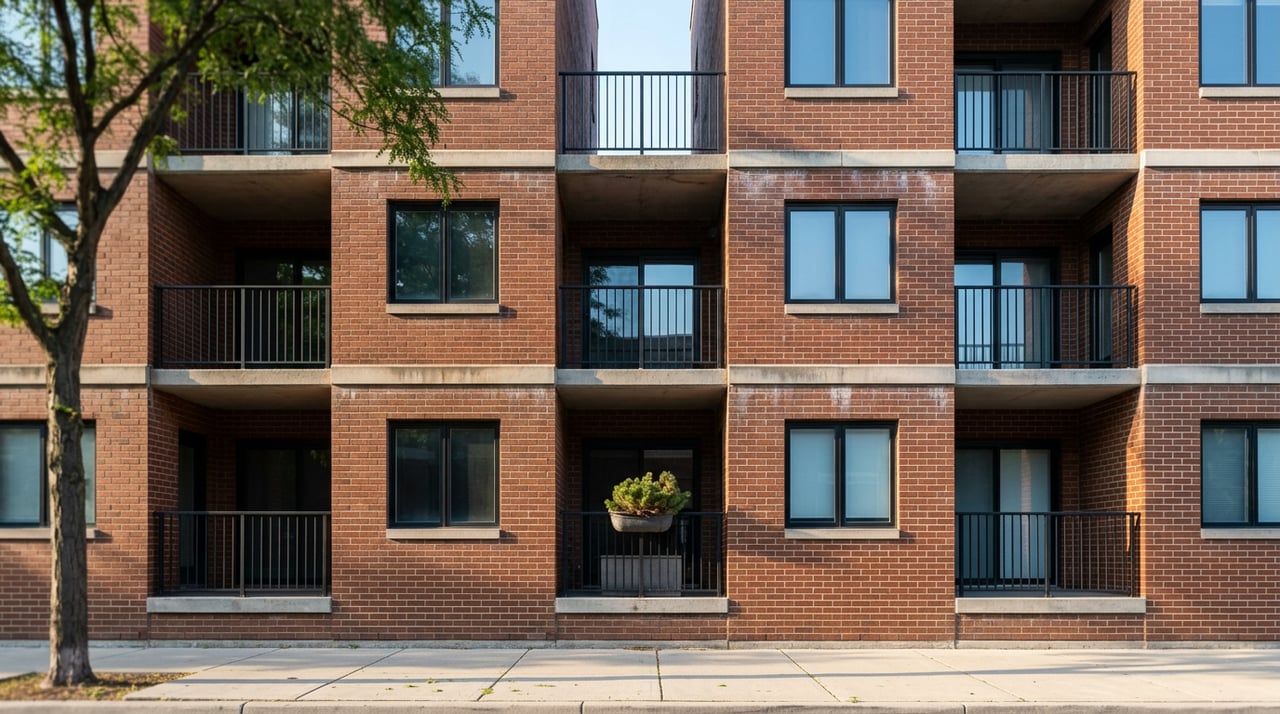
Duplex: live in one, rent the other
A duplex is a single building with two attached dwelling units on one lot. Colorado Springs permits duplexes in several residential and mixed‑use zones. Confirm zoning on a specific parcel before you bid, and plan financing with the right loan product if you are using owner‑occupied terms.
Quick duplex screen:
- Deal makers: existing legal two‑unit structure, separate entrances, separate utilities or easy sub‑metering, compliant parking.
- Deal breakers: unpermitted conversions, off‑street parking shortfalls, zoning that does not allow two‑family use without approvals.
- Key reference: see the city’s definition of a two‑family dwelling in the municipal code.
ADU: add a second long‑term unit
Colorado Springs adopted a streamlined ADU ordinance in 2025 that allows one ADU on a lot with a single‑family detached home. ADUs can be attached, integrated, or detached, with clear size, height, setback, parking, and notice rules. The ADU page outlines standards and strongly encourages early pre‑application review.
Important ADU rules to know:
- One ADU per qualifying lot; allowed in zones that permit single‑family detached homes.
- Size limit is 50 percent of the primary home or 1,250 sq ft, whichever is less. If the primary home is under 1,500 sq ft, up to 750 sq ft is allowed.
- Detached ADUs have a 16‑ft height cap and must follow setbacks. No front‑yard placement.
- Provide one additional off‑street parking space for the ADU.
- Post a public notice for 14 days before permit issuance.
- ADUs cannot be used as short‑term rentals. If STR income is part of your plan, this path is not compatible.
Quick ADU screen:
- Deal makers: rear or side yard with room for one off‑street space, alley access, utility tie‑in feasibility, owner‑occupancy plan.
- Deal breakers: historic overlay limits on placement or design, recorded easements blocking ADU siting, inability to add required parking.
- Key references: review the city’s ADU standards and read the ADU guidance on process and notice requirements.
Historic overlay note: If the property sits in a local or national historic area, exterior changes and new structures often need a Certificate of Appropriateness. That adds design constraints, time, and potential cost. Start early with Historic Preservation staff.
Legal rentable basement: finish it right
A basement unit can be a steady, lower‑cost way to add income if it is built and permitted to code. The Pikes Peak Regional Building Department (PPRBD) enforces egress windows and wells, ceiling height, fire, electrical, HVAC, and plumbing standards. Expect permits and inspections before you rent.
Quick basement screen:
- Deal makers: adequate ceiling height, possible egress window locations, bathroom rough‑in, separate entrance or easy-to-add stairwell.
- Deal breakers: no legal egress options, low ceilings that cannot be raised, prior unpermitted work that would be expensive to correct.
- Key reference: read PPRBD’s basement finish guidance for egress, permits, and inspections.
Risks and how to manage them
- Zoning and use risk: ADU or duplex use depends on parcel zoning and overlays. Mitigation: confirm zoning and allowed uses with SpringsView and the City’s ADU guidance before you write an offer. Refer to the city’s ADU page for contacts and steps.
- Historic and design constraints: Historic overlays can limit exterior changes and ADU siting. Mitigation: check maps and contact Historic Preservation staff early to understand design standards and approvals.
- Parking pressure: Old Colorado City’s curb space is tight, and ADUs need one off‑street space. Mitigation: verify on‑site parking capacity and review the Midland Corridor study for any planned changes that affect parking.
- STR limits: The city permits STRs, but ADUs are barred from STR use. Non‑owner‑occupied STRs face more restrictions in single‑family zones. Mitigation: confirm STR status and permit options with the city’s STR program before purchase if short‑term income is essential.
- Code and safety: Renting an unpermitted basement can create liability and insurance problems. Mitigation: require proof of permits and inspections, plan upgrades to meet PPRBD code before leasing.
- Financing differences: Owner‑occupied 2–4 unit loans have different down payments, reserve needs, and appraisal approaches than single‑family loans. Mitigation: compare FHA and conventional options early. For background on FHA eligibility for 2–4 unit, see HUD resources.
- HOA covenants: An HOA can restrict rentals or ADUs even if the city allows them. Mitigation: review HOA documents with an attorney before you commit.
What it might earn: simple pro forma
Use this framework to test a property. The figures below are illustrative for Old Colorado City. Always verify with current comps and lender quotes.
Pro forma template:
- Gross monthly rent per unit × 12 months
- Minus vacancy allowance (start with 5 to 10 percent)
- Minus operating expenses (insurance, taxes, utilities share, repairs; often 30 to 50 percent of gross for small properties)
- Equals Net Operating Income (NOI)
- Compare to annual mortgage payments to estimate cash flow
Illustrative example, duplex house hack:
- Purchase price: 440,000 dollars (neighborhood medians have trended in the low to mid 400,000s; verify current comps).
- You occupy Unit A. Unit B rents for 1,350 dollars per month based on recent neighborhood snapshots.
- Vacancy at 5 percent: 68 dollars per month.
- Operating expenses at 40 percent of gross: 540 dollars per month.
- Estimated NOI from Unit B: 1,350 − 68 − 540 ≈ 742 dollars per month.
- Apply current rates and your down payment to calculate principal and interest. Subtract 742 dollars to see how much the rent offsets your mortgage. If taxes, insurance, and maintenance are already included in the expense figure, avoid double counting when you run the numbers.
For an ADU or basement, swap in the expected monthly rent for that space. A modest ADU or carriage unit may rent in a wide range depending on size and finish. Set expectations with active rental comps within a few blocks and match by square footage and amenities.
Do this before you bid
Follow this step‑by‑step checklist to reduce surprises.
Check parcel zoning and overlays. Confirm whether an ADU is allowed and whether duplex use is permitted. Start with the city’s ADU page for standards and contacts who can help you verify zoning.
Verify historic status. If the home is in a historic overlay, read the city’s Historic Preservation guidance and ask about requirements for a Certificate of Appropriateness.
Pull permits and inspections. Ask the seller for PPRBD permits and final inspections for any basement finish or secondary unit. Compare to current conditions and plan to correct any gaps. Review PPRBD’s basement finish guide for what inspectors will look for.
Run ADU feasibility. If you plan to build or convert an ADU, check lot size, setbacks, utility tie‑ins, and parking. The ADU page explains size caps, the one‑space parking rule, and the public notice requirement.
Assess parking now and later. Walk the block at night, measure on‑site options, and read the Midland Corridor study for Old Colorado City to understand current pressure and any upcoming street changes.
Confirm STR options. If your business plan includes short‑term rental income, review the city’s STR program. Remember that ADUs cannot be used as STRs.
Finance pre‑check. Compare FHA and conventional options for owner‑occupied duplex financing, including down payment, reserves, and county loan limits. HUD resources explain FHA basics for 2–4 units.
Review title and easements. Make sure rear‑yard access and utility corridors will not block an ADU site. ADUs cannot encroach on recorded easements without approvals. The ADU guidance outlines placement standards.
Insurance and taxes. Ask your insurer about landlord endorsements and premium changes. Check for any local assessments noted in city corridor materials.
Set rent expectations. Use current nearby listings that match size and finish to estimate rent for a second unit, ADU, or basement. Keep a conservative vacancy allowance.
Operating playbook after you close
- Pull the right permits. Schedule PPRBD inspections for any finish or conversion work. Use their basement finish guide to plan egress and life‑safety details.
- Coordinate utilities. If building an ADU, work with Colorado Springs Utilities on service and hookup as part of your ADU plan review.
- Write clear leases. Define parking locations, quiet hours, trash day, and contact procedures. A 24/7 local contact is required for STRs and is smart for long‑term rentals too.
- Document everything. Keep permit records, inspection approvals, and photos for insurance and resale.
Local context: parking and curb space
Old Colorado City’s charm comes with narrow sidewalks and limited curb supply. Most new buildings must provide off‑street parking unless in an exempt district. For any specific property, verify on‑site capacity and check whether the parcel sits in a parking‑exempt area. For background and maps, read the city’s Midland Corridor report.
Ready to evaluate a property?
If you want an experienced, investor‑savvy partner to help you run pro formas, confirm zoning, and spot red flags before you bid, we are here to help. Schedule a free consultation with DogHouse to map the best house‑hack path for your goals in Old Colorado City.
FAQs
Can you use an ADU as a short‑term rental in Old Colorado City?
- No. Under the city’s ADU rules, ADUs cannot be used as short‑term rentals. If STR income is part of your plan, review the city’s STR program for other property types.
What parking is required for an ADU in Colorado Springs?
- Provide one additional off‑street parking space for the ADU, on top of any spaces required for the primary home, and confirm site capacity during planning.
Do basement rentals need permits and egress in Colorado Springs?
- Yes. PPRBD requires building permits and code‑compliant egress, fire, electrical, plumbing, and HVAC for a legal basement unit. Expect inspections before renting.
Are duplexes allowed in Old Colorado City?
- Duplexes are permitted in several zones in Colorado Springs. Confirm the specific parcel’s zoning and the city’s definition of a two‑family dwelling before you offer.
How do historic overlays affect ADUs or exterior changes?
- Properties in historic overlays often need a Certificate of Appropriateness for exterior work. This can limit design and add time, so contact Historic Preservation staff early.
What loans work best for a duplex house hack?
- Many buyers consider FHA for owner‑occupied 2–4 unit purchases because of low down payments, while conventional loans may require larger down payments and reserves. Compare both with a lender early.