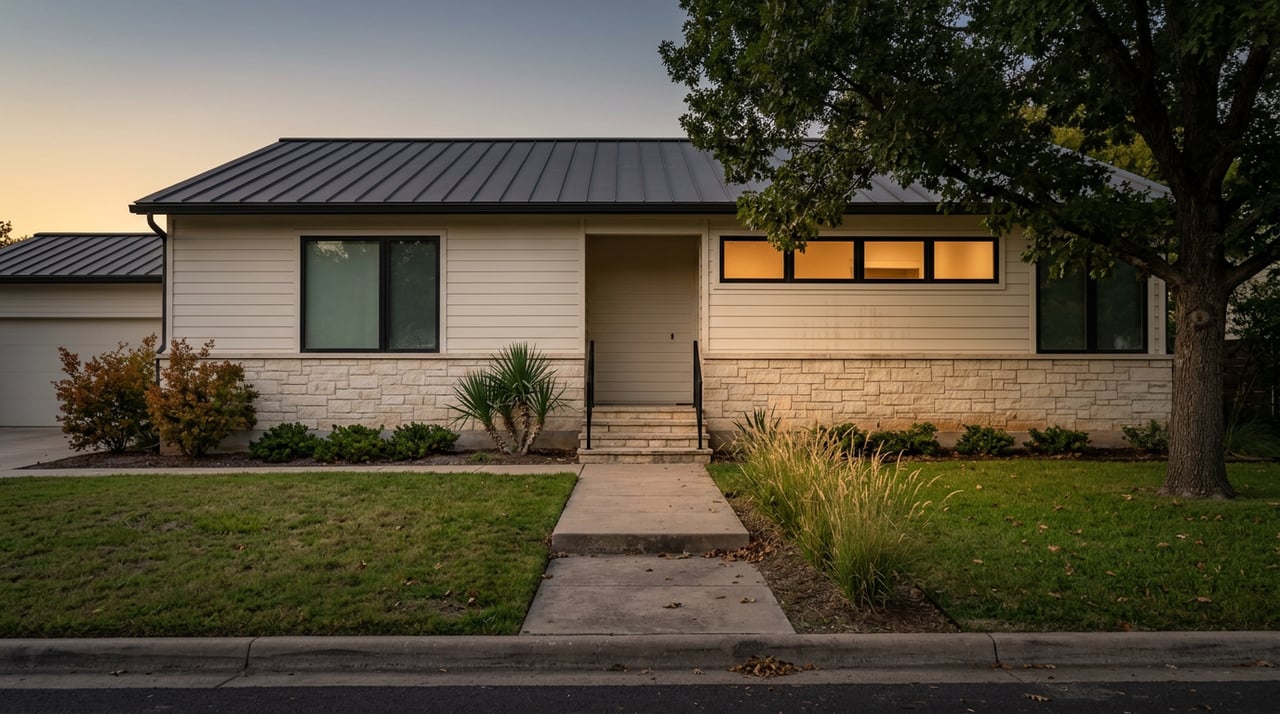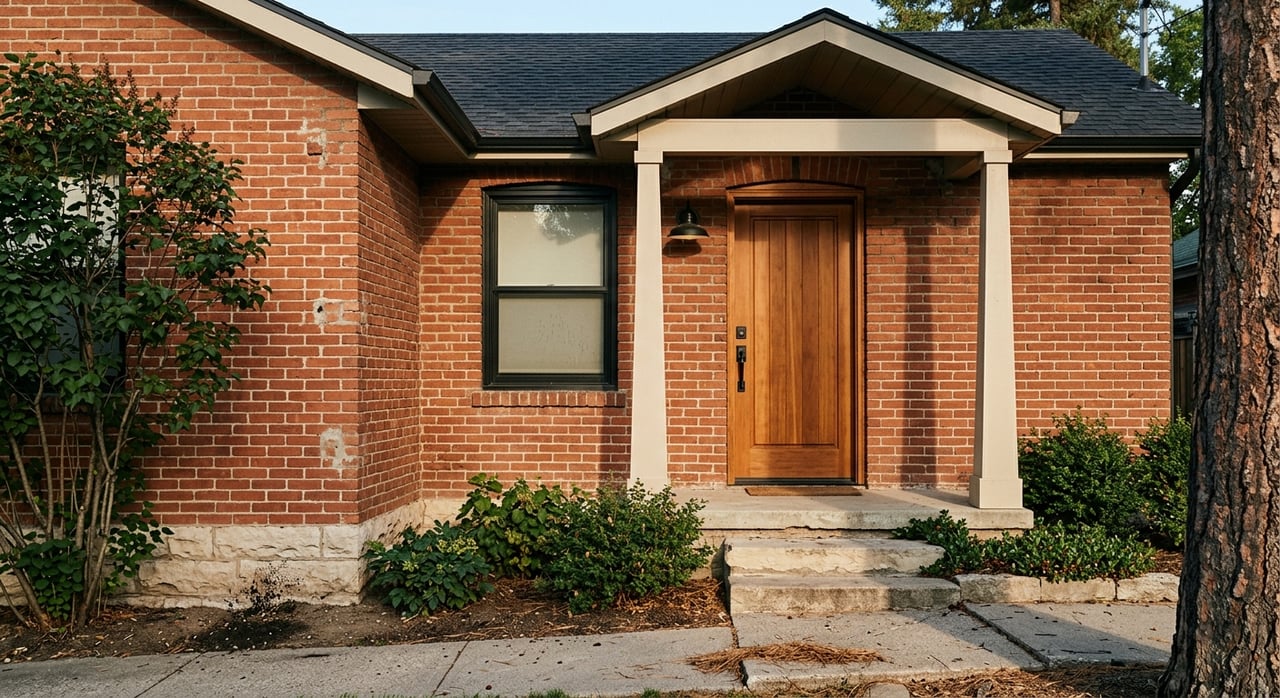
Trying to choose between a fixer-upper and a move-in-ready home in Old Colorado City? In this part of Colorado Springs, that decision is rarely just about paint colors or dated cabinets. You are often weighing historic character, renovation complexity, budget risk, and timing all at once. This guide will help you sort through the trade-offs so you can choose the option that fits your goals and move forward with a clear plan. Let’s dive in.
Why Old Colorado City Feels Different
Old Colorado City sits within Colorado Springs’ historic-neighborhood framework and is part of the city’s early historic core. City materials note that the area includes a mix of middle-class and working-class homes, which helps explain the range of home styles, conditions, and renovation needs you may see from one block to the next.
That matters because buying here is often less about choosing “updated” versus “outdated” and more about deciding how much project management you want to take on. Community planning for the Greater Westside has also highlighted preserving historic buildings and neighborhoods alongside housing affordability and gentle density, so the bigger context in Old Colorado City is about balancing character with practical housing needs.
What a Fixer-Upper Really Means Here
In Old Colorado City, a fixer-upper can come with more than repair costs. Depending on the property, your plans may also be shaped by historic-preservation review, permit requirements, and the age of the materials inside the home.
The first step is verifying the parcel itself. You should not assume a home falls inside a historic overlay or district map just because it has an Old Colorado City address. The City of Colorado Springs maintains Historic Preservation documents and district maps, and parcel-level status should be confirmed before you build a renovation budget.
Historic review can affect your timeline
If a property is within the Historic Preservation Overlay, city guidance says modifications to an existing structure, new structures, and demolition require Historic Preservation Board approval. The board meets every other month, which can add real calendar time to a project.
Reroofing within the overlay follows a separate approval path. After board approval, the project can move on to the building-permit step. That means a project that looks straightforward at first glance can still involve multiple layers of review.
Bigger remodels usually need permits
If you are thinking about moving walls or changing the layout, treat that as a real construction project from day one. Pikes Peak Regional Building Department guidance says removing, constructing, or modifying walls, whether load-bearing or not, is considered an interior remodel that requires plan review before permits can be issued.
For buyers, that means layout changes should be budgeted and scoped early. It is much easier to make a smart offer when you understand permit needs upfront instead of discovering them after closing.
Older homes can carry health and material risks
Many older homes in Old Colorado City were built before 1978. According to the EPA, many homes built before that year contain lead-based paint, and buyers of most pre-1978 housing have the right to know about lead hazards before signing.
If paid renovation work will disturb paint in a pre-1978 home, lead-safe requirements apply. If planned work could disturb suspicious old floor tile, ceiling tile, pipe wrap, siding, or roofing, EPA guidance recommends having the material sampled by a properly trained and accredited asbestos inspector before work begins.
Why a Fixer-Upper Can Still Be Worth It
A fixer-upper is often the better fit if you care deeply about historic character and are comfortable managing a project. It may also make sense if you want more control over finishes, systems, or long-term improvements instead of paying for someone else’s recent updates.
For some buyers, especially those thinking with an owner-occupant or investor mindset, the appeal is clear. You may be able to create a home that better matches your needs, but only if you go in with realistic expectations about permits, inspections, and contingency spending.
What Move-In Ready Really Buys You
A move-in-ready home can lower your renovation risk, simplify your move, and make the first months of ownership less demanding. If your priority is speed, predictability, or a smoother relocation, that can be a major advantage.
But in Old Colorado City, move-in ready should never mean skip the homework. In a neighborhood with older housing stock, the cosmetic finish is not the final word. The inspection is still the key checkpoint.
Inspections still matter
The Consumer Financial Protection Bureau recommends scheduling an independent inspection as soon as possible, attending if you can, and using the inspection contingency to renegotiate or cancel if major issues come up. That advice is especially important in older homes, even if the house looks polished and updated.
Fresh finishes can make a home feel turnkey, but they do not replace diligence. You still want to understand the condition of major systems, structural elements, and any likely near-term repairs.
Colorado issues do not disappear
Even if a home feels fully finished, Colorado-specific concerns still matter. The Colorado Department of Public Health and Environment says radon is found at elevated levels in one out of every two Colorado homes, and the EPA says all homes should be tested for radon.
Colorado also requires radon measurement and mitigation services to be performed by licensed professionals through the Department of Regulatory Agencies. If the home was built before 1978, lead disclosure still applies, and any future remodeling that could disturb suspect asbestos-containing materials should be evaluated before work starts.
Future updates may still trigger review
A move-in-ready house can still become a project later. If you plan to update a kitchen, bath, windows, roof, or exterior after you move in, those improvements may still involve permits or preservation review depending on the property and the scope of work.
That is why the smartest question is not just “Can I move in right away?” It is also “What will this home require from me in the first one to three years?”
Budget: Where Buyers Get Surprised
Whether you buy a fixer-upper or a turnkey home, your budget should include more than the purchase price. The CFPB says buyers should plan for repairs and home improvements in addition to closing and moving costs.
Fannie Mae also advises keeping cash reserves for unexpected home costs. In a neighborhood with aging homes and possible preservation review, reserves are not optional. They are part of a disciplined buying strategy.
Build in a contingency reserve
For fixer-upper planning, contingency money matters. HUD guidance uses a contingency reserve to cover cost overruns and unforeseen conditions, and Fannie Mae notes that renovation contingency reserves may cover labor, materials, permits, plans and specifications, inspection costs, and other project expenses.
As a practical starting point, a 10% to 20% contingency is a reasonable benchmark for a fixer-upper, though the exact amount depends on scope and financing. In older homes, surprises behind walls and under floors are common enough that this buffer can protect your budget and your stress level.
Timeline: Speed Versus Control
Time has a cost, too. A move-in-ready home often gives you a faster path to living in the property, while a fixer-upper gives you more control but usually asks for more patience.
PPRBD says inspections scheduled before 8:30 a.m. are generally routed the same day and by 9 a.m. in most cases. That can help keep smaller projects moving. But if historic-preservation review is involved, the board’s every-other-month schedule can stretch the overall timeline.
In general, cosmetic refreshes may move more quickly. Additions, wall removals, reroofing in the overlay, or exterior changes are more likely to expand your schedule.
When to Bring in Contractors Early
You do not always need a contractor before making an offer, but in some cases it is the smart move. If the inspection report points to structural, electrical, plumbing, or HVAC concerns, bring in the right professional early so you can understand the real scope.
If you are considering wall moves, additions, or exterior changes, it can also make sense to get contractor input before your final offer. That gives you a better read on costs, timing, and whether the home still fits your budget after the work is done.
The Federal Trade Commission advises consumers to use licensed and insured contractors, get multiple estimates, read contracts carefully, and avoid choosing a bid based only on the lowest price. Colorado DORA also encourages consumers to verify licenses.
Fixer-Upper vs Move-In Ready at a Glance
| Option | Best for | Main advantage | Main caution |
|---|---|---|---|
| Fixer-upper | Buyers who want character and can manage projects | More control over improvements | Permits, preservation review, and surprise costs |
| Move-in ready | Buyers who want speed and predictability | Easier transition after closing | Older-home risks still require strong due diligence |
A Smart Old Colorado City Checklist
Before you decide which path is right for you, use this checklist:
- Verify whether the parcel is in the Historic Preservation Overlay or another historic district map.
- Order a general home inspection early.
- Add radon testing for any Colorado home.
- For pre-1978 homes, ask for lead disclosure.
- If renovation may disturb suspicious materials, bring in an asbestos professional before demolition.
- If walls, additions, reroofing, or exterior changes are part of the plan, get contractor bids and permit guidance before locking in your budget.
Which Choice Fits You Best?
If you love Old Colorado City for its history and are ready for a more hands-on process, a fixer-upper may be worth the effort. It can be a strong fit when you have patience, cash reserves, and a clear plan for permits, inspections, and project decisions.
If you want a simpler move, less disruption, or more certainty in the short term, move-in ready may be the better call. That is often especially true for relocation buyers or anyone who wants to settle in quickly without managing repairs right away.
The best choice comes down to your timeline, your tolerance for uncertainty, and how much project work you want attached to your home purchase. If you want help pressure-testing the numbers, the likely timeline, and the real trade-offs for a specific property in Old Colorado City, DogHouse can help you build a smart plan before you commit.
FAQs
What should you check before buying a fixer-upper in Old Colorado City?
- Verify whether the property falls within the Historic Preservation Overlay or another historic district, order a home inspection, plan for radon testing, review lead disclosure for pre-1978 homes, and budget for permits plus contingency costs.
Does a move-in-ready home in Old Colorado City still need an inspection?
- Yes. In an area with older housing stock, an independent inspection is still important even when a home looks updated or turnkey.
Can historic rules affect renovations in Old Colorado City?
- Yes. City guidance says certain work within the Historic Preservation Overlay, including modifications, new structures, and demolition, must go through Historic Preservation Board approval.
Should you test for radon when buying a home in Colorado Springs?
- Yes. Colorado health guidance says elevated radon is found in many Colorado homes, and radon testing is an important part of due diligence.
When should you bring in a contractor for an Old Colorado City home?
- Bring one in early if the inspection shows structural, electrical, plumbing, or HVAC concerns, or before your final offer if you are considering wall moves, additions, or exterior changes.