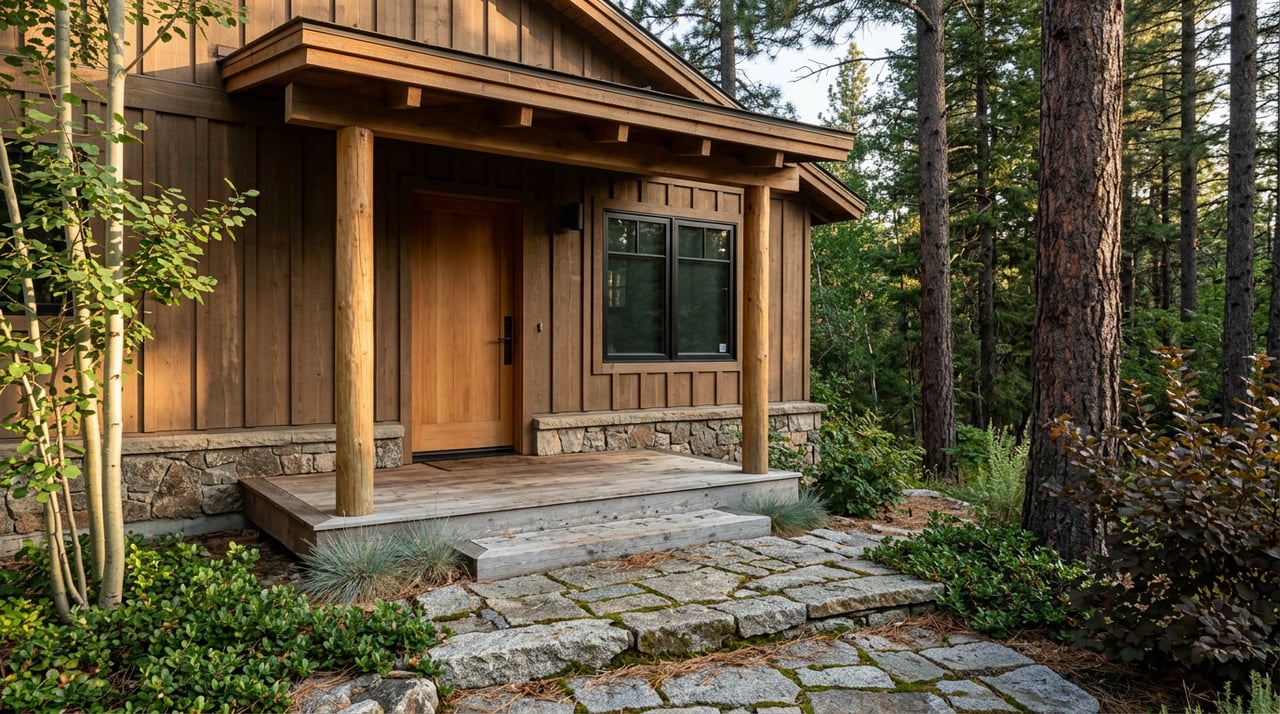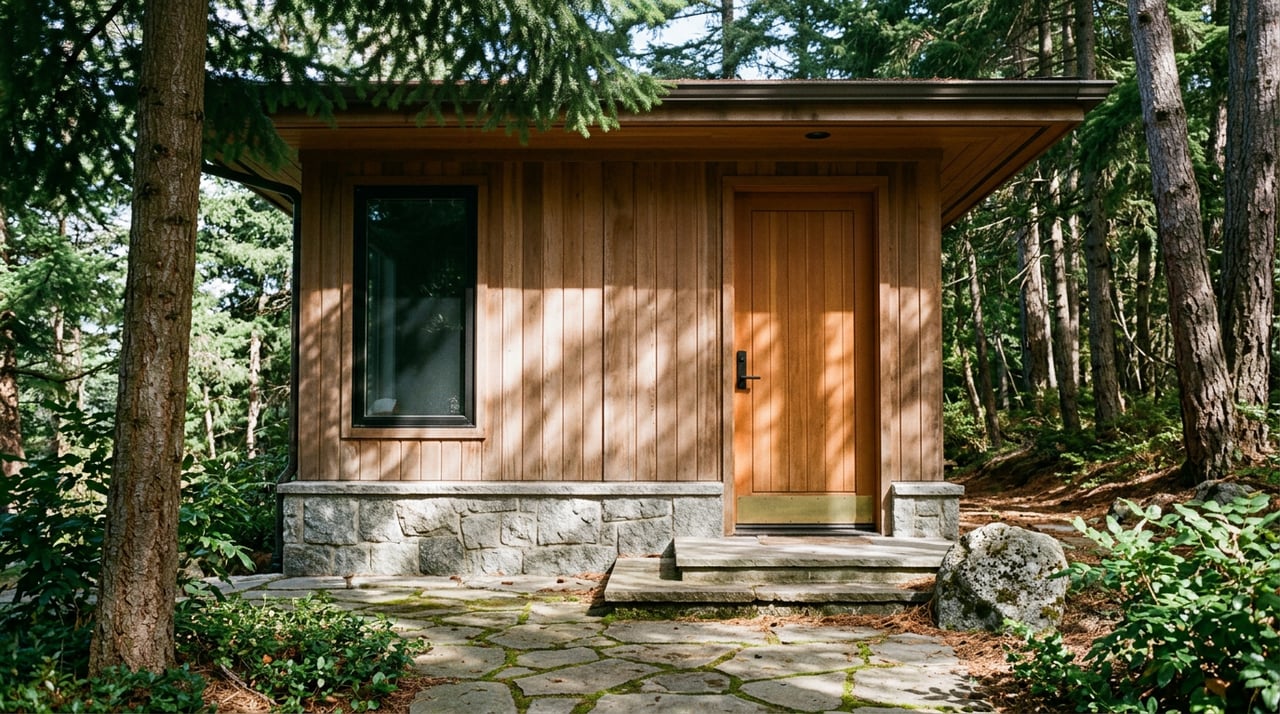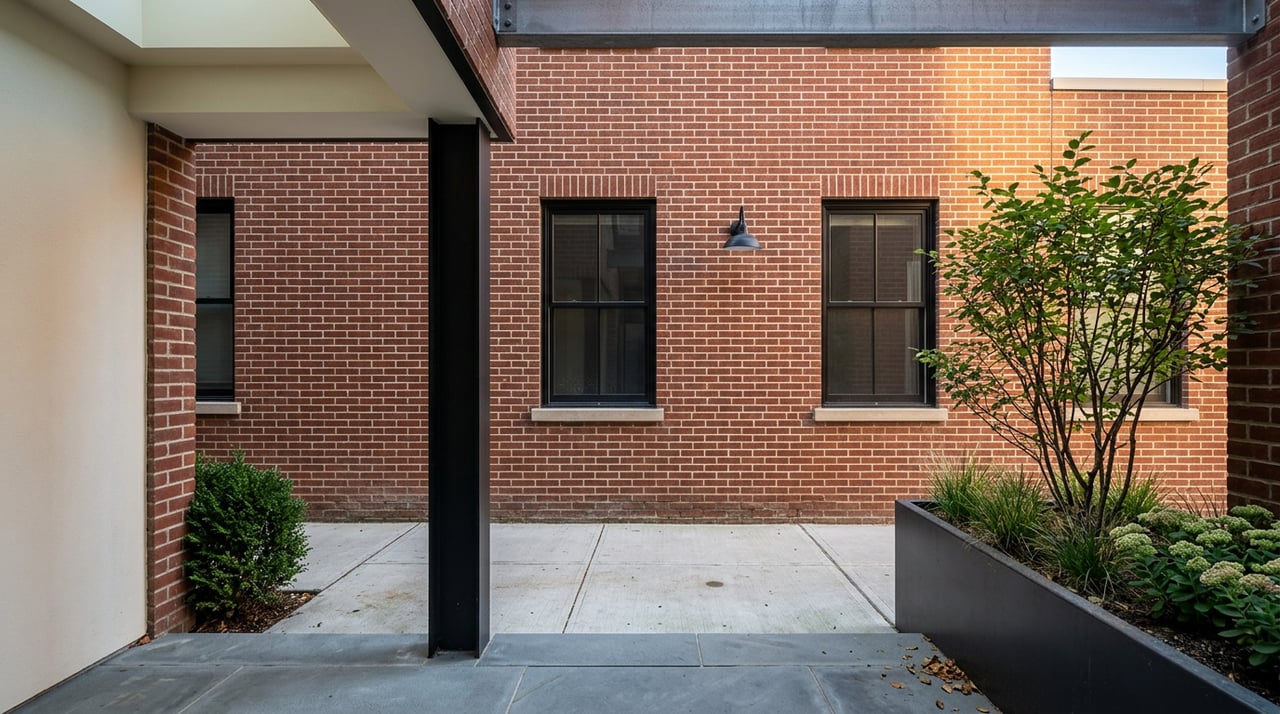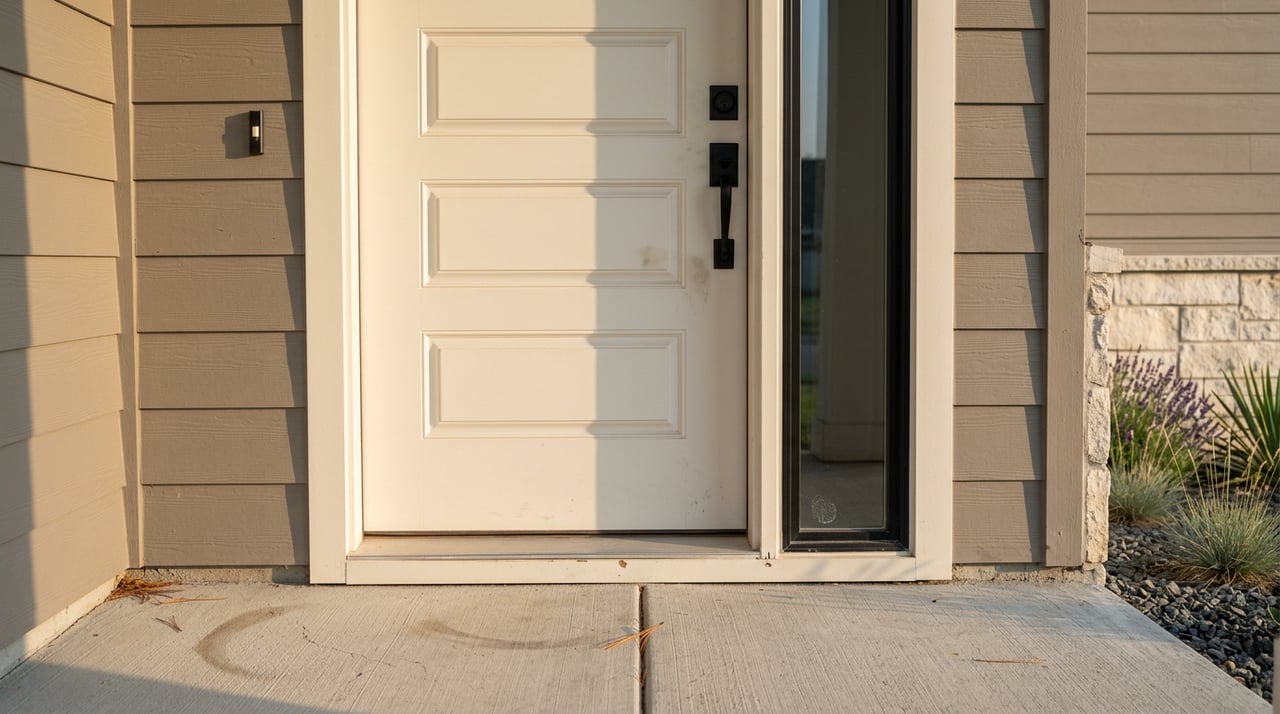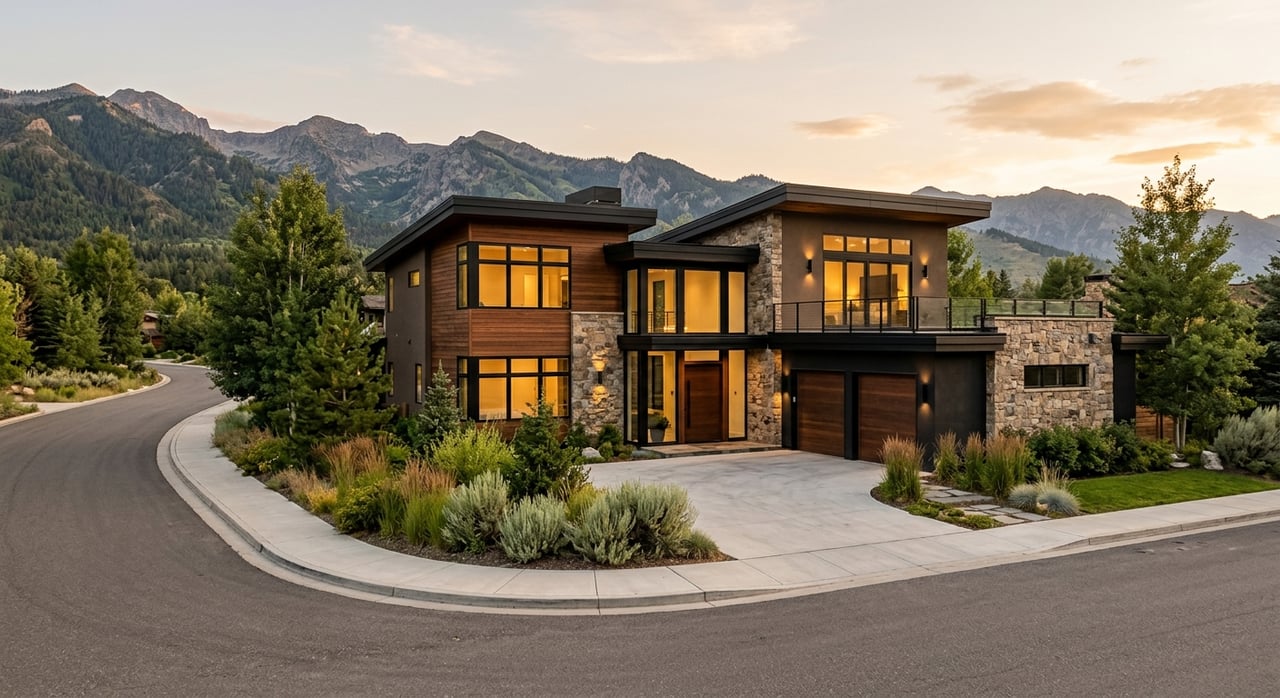
Are you picturing a quiet mountain cabin in the trees, only to wonder what daily life would actually feel like in January? Or maybe you want the ease of an in-town home but do not want to miss out on the mountain setting that draws so many buyers to Woodland Park. If you are comparing cabins versus in-town homes in Woodland Park, the real difference often comes down to access, utilities, maintenance, and future flexibility. Let’s break it down.
Why property type matters
In Woodland Park, a home’s location often shapes the ownership experience as much as the house itself. An in-town home is more likely to connect to city systems for water, wastewater, and snow plowing.
A cabin deeper into Teller County is more likely to rely on county roads, septic or OWTS, a well, propane, and more owner-managed upkeep. Teller County’s growth-management framework notes that much of unincorporated Teller County uses OWTS and state-permitted wells, while the City of Woodland Park runs its own water and wastewater utilities.
Winter access and daily convenience
In-town road service
If easy year-round access is a top priority, in-town homes usually have the simpler setup. The City of Woodland Park says it plows all public roads within city limits once 4 inches of snow has accumulated and is responsible for 62 miles of roadway.
The city also notes that US-24 and CO-67 are maintained by CDOT, not the city. Even with that distinction, buyers often find in-town living more predictable for commuting, errands, and day-to-day winter travel.
Cabin road conditions
Outside town, road service can look very different. Teller County says it does not have a bare pavement policy, prioritizes arterial roads and school bus routes, and does not clear private roads or private driveways.
The county generally works toward in-and-out access on county roads within about 24 hours after snow stops, depending on storm severity. It also notes that roads not built to county standards may receive only emergency access and maintenance.
What this means for you
If you need lower-friction living, an in-town home is often the easier fit. If you love the idea of a cabin, it helps to be comfortable with more variable road service and parcel-specific access questions.
That does not make one choice better than the other. It just means each option asks something different of you as an owner.
Utilities and ownership setup
In-town utility systems
City homes often offer a more standardized utility picture. Woodland Park says about two-thirds of its water comes from local wells, springs, and streams, with about one-third from canal and reservoir shares delivered through Colorado Springs’ Homestake Pipeline.
Wastewater from the municipal sewer system is treated at the city plant along Highway 67. For many buyers, that translates to fewer moving parts to track after closing.
Cabin utility differences
Cabins in unincorporated areas often require more due diligence. Teller County points owners to septic services for OWTS matters and to the Colorado Division of Water Resources for well permits.
County utility resources also show that providers can vary by area outside town. That is why parcel-by-parcel verification matters much more when you are buying a cabin.
Maintenance responsibilities
Even in town, utility service does not mean zero responsibility. Woodland Park states that sewer service lines are owned and maintained by the property owner from the facility to the public sewer main, and water responsibility begins at the property line where the owner first has access to the service pipe.
The city also says tap fees for water and sewer are doubled for properties outside city limits. If you are evaluating a property near town or planning future improvements, those details can affect your budget.
Permits and future improvements
City permit path
If you buy inside Woodland Park city limits, the Planning and Building Department handles zoning development permits for remodels, additions, decks, sheds, garages, fences, driveways, and similar site changes. Building services for city projects are provided through Pikes Peak Regional Building Department.
For buyers who expect to improve a property over time, that can make the process feel more straightforward. The main point is that the city has a defined path for common residential upgrades.
County permit path
In unincorporated Teller County, the county Building Division handles permits and inspections for land and property in those areas. Its permit materials also include driveway and septic forms.
That matters because driveway access and wastewater are separate review items on many rural parcels. If you want to add a garage, expand a deck, or prepare a second home for more frequent use, those extra layers can shape cost and timing.
Why jurisdiction matters
A property may feel close to town and still fall under a different permitting structure. The permit path depends on where the parcel sits, not how the home is marketed.
That is one of the biggest reasons cabin and in-town ownership can feel so different over time. Smart buyers verify jurisdiction early, before falling in love with the view.
Operating style and lifestyle fit
When in-town homes make sense
In-town homes usually fit buyers who want easier winter access, municipal water and sewer, and fewer infrastructure unknowns. They can be a strong match for full-time living, relocation buyers, or anyone who wants a more predictable maintenance rhythm.
If your week includes commuting, school drop-offs, frequent errands, or regular travel, that smoother daily setup can matter a lot. The tradeoff is often less privacy and a more neighborhood-based setting.
When cabins make sense
Cabins tend to appeal to buyers who want privacy, woods, and a stronger second-home feel. They can be a great fit if you are comfortable verifying road class, water source, wastewater system, and fire-risk planning before closing.
For many buyers, that extra work is worth it. A cabin can offer the mountain atmosphere they came to Woodland Park to find.
Wildfire and long-term planning
For wooded properties, wildfire planning is part of ownership. Teller County’s Wildland Fire Council focuses on reducing wildfire severity and frequency, and county fire information outlines alert levels, evacuation warnings, and burn-permit restrictions.
That means cabin buyers should think beyond the house itself. Access, defensible space, and seasonal readiness all play into how the property functions over time.
In-town homes are not outside the mountain environment, but heavily wooded cabin properties often require more hands-on planning. It is less about fear and more about being prepared.
Taxes and resale considerations
Teller County says property tax is based on classification, actual value, assessment rate, assessed value, and mill levy. It also revalues real property every odd-numbered year using market conditions from June 30 of the prior even-numbered year.
From a practical resale standpoint, in-town homes often appeal to a broader group of buyers because access and utilities are more predictable. Cabins often attract buyers who specifically want privacy and a mountain setting and are comfortable with wells, septic, road questions, and a more self-managed ownership model.
That does not mean cabins are a weaker choice. It means they are a more specific product, and that can affect how you frame both your purchase and eventual resale strategy.
A simple way to choose
If you are deciding between a cabin and an in-town home in Woodland Park, focus on how you plan to use the property. Start with your real daily needs, not just the photos.
Choose an in-town home if your priorities are:
- Easier winter access
- Municipal water and sewer
- Simpler permitting
- Lower day-to-day maintenance friction
Choose a cabin if your priorities are:
- More privacy
- A wooded mountain setting
- A second-home feel
- Flexibility to manage road, water, septic, and fire-planning details
Before you write an offer on either type, verify these parcel-level items:
- Jurisdiction
- Road classification
- Water source
- Wastewater system
- Permit path for future changes
That checklist is often what separates a smooth fit from an expensive surprise.
If you want help comparing specific properties in Woodland Park, DogHouse can help you look past the listing photos and evaluate how a home will actually live day to day.
FAQs
What is the main difference between Woodland Park cabins and in-town homes?
- The biggest difference is usually infrastructure and access. In-town homes are more likely to have city water, wastewater, and city road plowing, while cabins in unincorporated areas may rely on county roads, wells, septic or OWTS, propane, and more owner-managed maintenance.
Are roads plowed differently for Woodland Park cabins versus city homes?
- Yes. The City of Woodland Park plows public roads within city limits after 4 inches of snow accumulates, while Teller County prioritizes certain county roads, does not clear private roads or driveways, and does not follow a bare pavement policy.
Do Woodland Park cabins usually have septic systems?
- Many rural properties in unincorporated Teller County use OWTS or septic systems. Buyers should verify the wastewater setup for each parcel during due diligence.
Are utilities simpler for in-town homes in Woodland Park?
- Often, yes. In-town homes are more likely to have a standardized utility setup through city water and wastewater systems, while cabins may involve a different mix of providers and systems depending on location.
Should Woodland Park cabin buyers check permit rules before closing?
- Yes. In unincorporated Teller County, driveway and septic reviews can be separate permit items, so buyers should confirm jurisdiction and the permit path before planning future improvements.
Are in-town homes easier to resell in Woodland Park?
- In many cases, in-town homes may appeal to a broader pool of buyers because access and utilities are more predictable. Cabins often appeal more strongly to buyers specifically seeking privacy and a mountain setting.