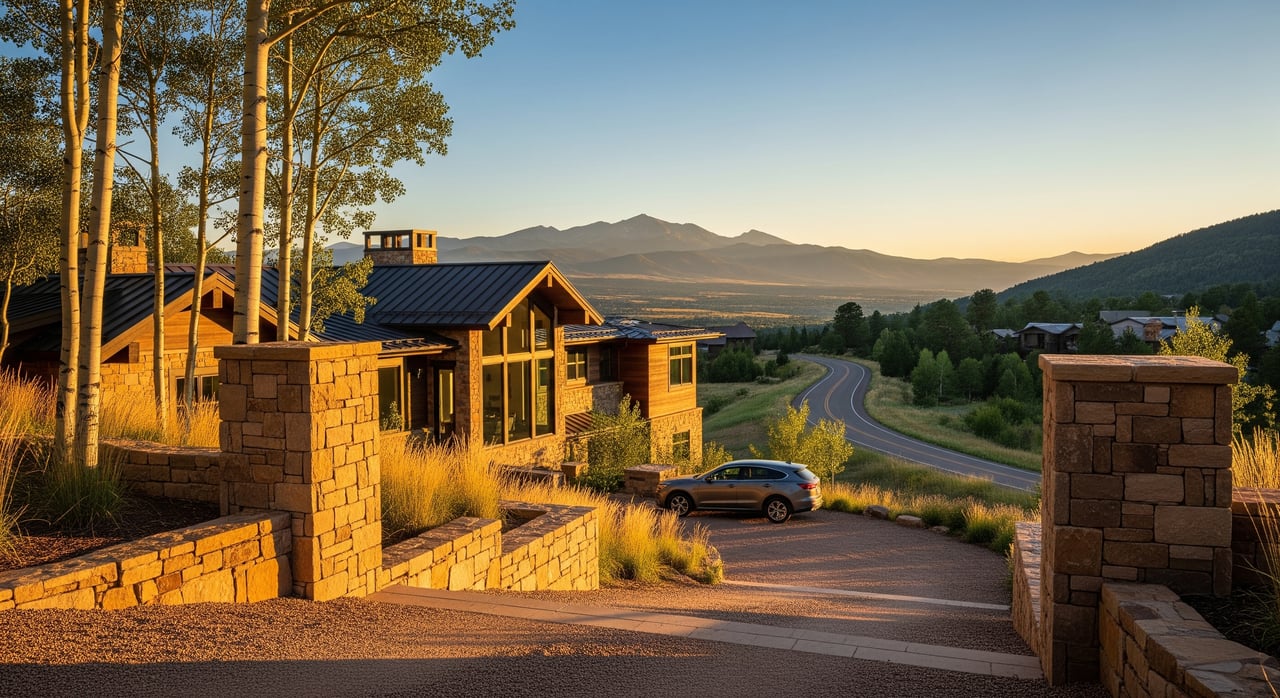
Thinking about living in Woodland Park but working in Colorado Springs? You are not alone. The mountain lifestyle is a big draw, and the commute is very doable with the right plan. In this guide, you will learn real-world drive times, what US-24 is like, how seasons change the routine, and practical tips to keep your days smooth and safe. Let’s dive in.
How far and how long
The distance from Woodland Park to central Colorado Springs is about 17-20 miles, depending on start and end points. You will travel from roughly 8,400-8,500 feet in Woodland Park down to about 6,000-6,100 feet in Colorado Springs. That elevation change affects temperatures, precipitation type, and how your vehicle performs on grades.
Typical one-way drive times:
- Clear, non-peak conditions: about 25-35 minutes.
- Weekday peaks (7:00-9:00 AM and 4:00-6:00 PM): 35-50 minutes or more, depending on congestion and incidents.
- Winter storms or collisions: 45 minutes to well over an hour.
- Weekend tourist spikes: expect spotty delays, especially during summer events and holidays.
Where you work in Colorado Springs matters. Jobs in downtown or central areas are usually faster than jobs on the far north or east sides. Major employers like Fort Carson and Peterson SFB sit in different parts of the metro, so your total time will vary.
US-24 driving basics
Your route follows US-24 through Ute Pass. Much of it is a two-lane highway with limited shoulders, curves, changing sightlines, and occasional steep grades. It is scenic, and speeds are lower than interstate conditions. Night driving and poor weather can magnify risk, so plan your timing with visibility in mind.
Traffic tends to bottleneck near the Colorado Springs edge of the corridor and at highway intersections. Because there are limited detours, single-vehicle incidents or multi-car crashes can create long backups. Tourist traffic can add brief congestion on weekends and holidays.
For road conditions and closures, monitor Colorado Department of Transportation updates. Teller County and the City of Woodland Park also issue local advisories for plowing, rockfall, or localized closures. Check conditions before you leave in marginal weather.
Seasonal and weather impacts
Winter (late October through April) brings colder temperatures and more snow in Woodland Park than in Colorado Springs. Snow and ice can linger on US-24 even when the city is clear. Expect black ice, packed snow in shaded curves, reduced traction on descents, and lower visibility during active storms. Winter tires are strongly recommended for consistent traction. In severe events, carriers may require chains. Keep a basic emergency kit in your vehicle and check both CDOT and National Weather Service updates before traveling.
Fall and spring shoulder seasons come with freeze-thaw cycles, early or late snow, slick leaves, and quick weather shifts. In summer, afternoon thunderstorms can produce brief heavy rain and low visibility. Summer is also high-visitor season, which raises weekend traffic.
Shorter daylight in winter affects when you leave. Many commuters prefer to drive after sunrise for better visibility on curves and grades.
Plan your commute
Shifting your schedule can lower stress and save time. When possible, leave before about 6:30-7:00 AM or after 9:00 AM to miss the worst morning congestion. In the afternoon, leaving before 4:00 PM or after 6:00 PM can make a noticeable difference. If your employer allows, consider reverse scheduling, compressed workweeks, or later start times.
Hybrid work makes mountain living more practical. Working from home 2-3 days per week reduces weekly mileage and limits your exposure to winter driving. When evaluating a role, ask about required in-office days, meeting frequency, and emergency on-site expectations.
Here is a quick vehicle and safety checklist:
- Winter tires or high-quality all-season tires rated for snow.
- Snow shovel, traction aids, flashlight, extra warm clothing.
- Phone mount and charger; a navigation app with live traffic alerts.
- Regular brake and cooling-system maintenance for safe descents.
- Emergency roadside kit with water and snacks.
Build contingency plans:
- Identify safe pull-outs or in-town meeting points if you have a breakdown.
- Create flexibility in child-care or school pickup schedules on weather days.
- Know alternate work locations such as employer satellite offices or co-working options in the city if the return trip becomes unsafe.
Public transit along this corridor is limited. Most commuters drive. Carpools can help with cost and reduce stress. Many people organize carpools through neighborhood groups or employer ride-share boards.
Cost planning
Your daily mileage will typically be about 34-40 miles roundtrip, depending on your exact origin and destination. For fuel, use this simple framework:
Daily fuel cost = (roundtrip miles) ÷ (vehicle mpg) × (fuel price per gallon)
Multiply your daily cost by the number of workdays in a month to estimate monthly fuel spend. Mountain driving adds wear on brakes, tires, and fluids, and cold starts can increase maintenance needs. Factor higher-than-flatland maintenance into your annual budget.
Buying in Woodland Park
You gain a small-town feel, larger lots, mountain views, and quick access to outdoor recreation. The trade-offs include longer commutes, exposure to mountain weather, and fewer nearby services compared to a large city. Your daily routine may shift, especially in winter. You might wake earlier to allow time for scraping, warming up, and safe travel.
Location within Woodland Park matters. Living on the eastern edge of town can shave minutes off your drive by getting you to US-24 faster. Proximity to schools, groceries, and childcare in Woodland Park reduces the number of cross-pass trips and helps your week run smoother.
Questions to ask your real estate agent:
- How often are driveways and local streets typically plowed in this neighborhood during winter?
- How far is the property from your main access to US-24?
- What elevation changes are along the route to your workplace, and how might they affect conditions?
Questions to ask your employer:
- What flexibility is available for start and end times or remote days during storms?
- Are there parking or entry-time policies that affect when you should arrive?
Sample weekly game plan
A little structure goes a long way. Try this simple routine:
- Sunday: Check the week’s forecast and review CDOT and local advisories. Stage your emergency kit and top up washer fluid.
- Monday: Leave a touch earlier to build slack into your week. Confirm any in-office meeting times and locations.
- Tuesday to Thursday: Target off-peak windows. If storms are forecast, clear the windshield and roof fully, and take a few extra minutes on curves and shaded segments.
- Friday: If possible, wrap up earlier in the afternoon to beat weekend visitor traffic. Refill fuel for a ready start next week.
When the pass gets tricky
If conditions deteriorate or closures are reported, your safest move may be to delay departure and reassess after crews treat the road. Identify safe pull-offs and in-town meeting points ahead of time. If your employer offers a satellite office or supports co-working in the city, use it when a return trip looks unsafe. Favor daylight travel during winter weather.
Is commuting right for you?
If you want mountain living with access to Colorado Springs jobs, commuting from Woodland Park can absolutely work. The key is accepting the seasonal reality, building a flexible routine, and gearing up for mountain driving. With smart timing and a hybrid schedule, many people find the trade-offs well worth the lifestyle gains.
Ready to talk through neighborhoods, commute timing, and property options that fit your routine? Reach out to DogHouse for local, tactical guidance tailored to your job location and lifestyle. Schedule a free consultation.
FAQs
How long is the commute from Woodland Park to downtown Colorado Springs?
- In clear, non-peak conditions, plan for about 25-35 minutes. During weekday peaks, expect 35-50 minutes or more, and winter weather or incidents can push it past an hour.
Is US-24 safe in winter between Woodland Park and Colorado Springs?
- It is plowed and treated, but the higher elevation, grades, and curves mean conditions can be more hazardous than in town; check state and local reports before traveling and drive with proper winter tires.
What vehicle setup is best for Ute Pass commuting?
- Winter tires are strongly recommended for regular commuters; carry an emergency kit, and follow any traction or chain advisories during severe storms.
Are there alternate routes that avoid US-24 for this commute?
- US-24 is the primary direct route; detours are limited and often much longer, so plan around timing, weather checks, and incident alerts.
How does hybrid work change the commute from Woodland Park?
- Working remotely 2-3 days per week reduces mileage, peak-hour exposure, and weather risk, making mountain living more practical for many commuters.
How can I estimate fuel costs for the Woodland Park commute?
- Use this formula: daily fuel cost = roundtrip miles ÷ vehicle mpg × fuel price, then multiply by monthly workdays; add a buffer for mountain driving maintenance.