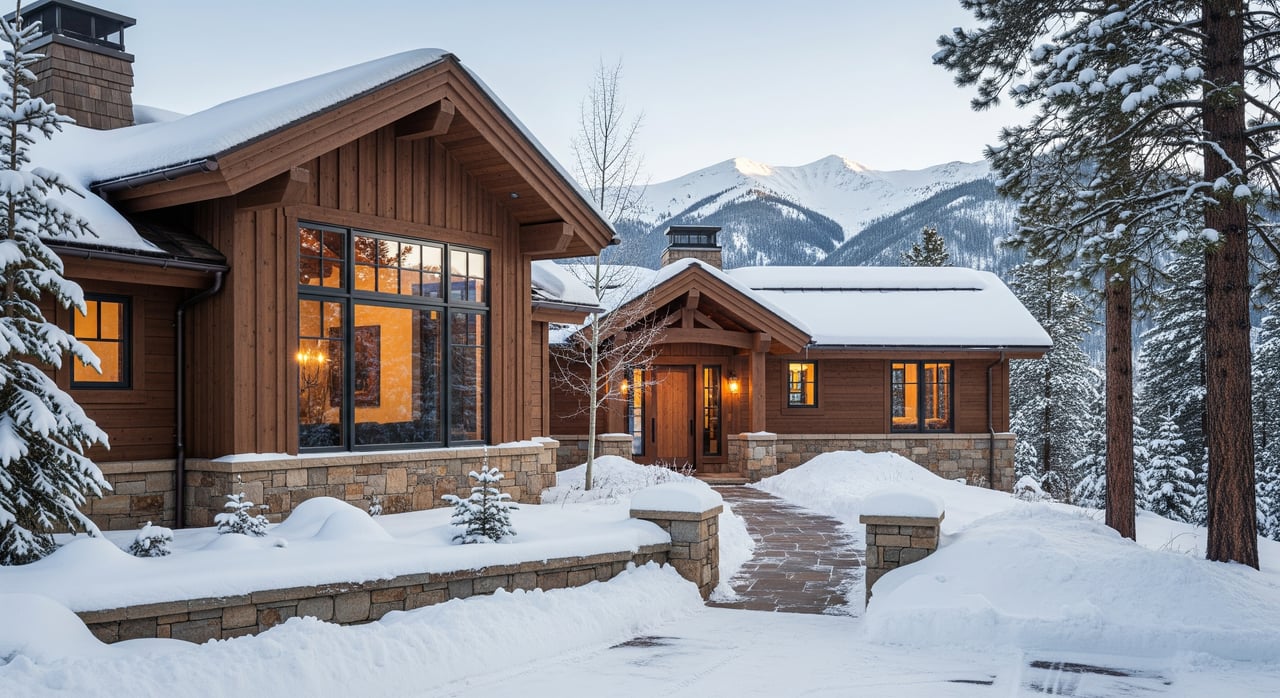
A mountain home can go from cozy to costly when temperatures plunge. If you own a place in Cascade or Cascade–Chipita Park, you know winter shows up early and stays late. You want the cabin ready, safe, and low stress even when you are not there full time. This guide gives you a local plan to winterize, protect your systems, and keep access reliable through the season. Let’s dive in.
Know the Cascade climate
High elevation around the Pikes Peak region brings earlier snow, long cold snaps, and wide freeze–thaw swings. Those conditions increase the risk of frozen pipes, heavy roof loads, ice dams, and slippery driveways. Power outages are more likely after storms because of tree and line impacts. Many homes sit on steep, narrow roads where county plowing may stop at the main road, so private driveways often need a plow contract. If your property sits near steep slopes, be mindful of avalanche channels and wind-loading patterns. Also check cellular coverage at the house, since spotty signal can affect remote monitors.
Protect plumbing first
Frozen pipes are the fastest way a mountain home turns into a repair project. Make plumbing your top priority, especially if you come and go during winter.
- For occupied or regularly checked homes: keep the thermostat at a safe minimum, commonly 50 to 55°F. Insulate exposed pipes with foam sleeves, install heat tape where needed, and open cabinet doors under sinks so warm air circulates.
- For extended vacancy: shut off the main water supply and drain the system. Flush toilets, open taps, and drain the water heater following the manufacturer’s guidance. Add non‑toxic RV or portable-plumbing antifreeze to traps and low points as directed. Do not use automotive antifreeze in potable lines.
- Water-based appliances: winterize washing machines, dishwashers, and ice makers. Disconnect, drain lines, and add antifreeze to traps if recommended.
- Wells and septic: insulate the well house and protect pumps, pressure tanks, and controls from freezing. Keep septic tanks covered and insulated with mulch and avoid long periods with zero flow during extreme cold.
- Monitoring: add remote temperature sensors and water leak or flow detectors. Automatic shutoff valves that close the main on leak or freeze detection can prevent major damage when you are away.
Heat and fuel readiness
Heating systems work harder at altitude, so get ahead of maintenance.
- Service the furnace or boiler each fall. If you use a wood or pellet stove, schedule a professional chimney sweep and inspection. Test carbon monoxide and smoke alarms.
- If your home is on propane, enroll in automatic or scheduled delivery. Understand delivery thresholds, typical minimum percentages for fills, and emergency procedures. Keep an eye on levels during cold snaps and holidays.
- Back up power for outages with a portable or standby generator installed with proper transfer switches. Follow generator safety to avoid carbon monoxide risks, and pull permits for permanent installs when required.
- Support the roof system by fixing attic insulation and ventilation. A well-insulated and ventilated attic helps keep the roof deck cold and reduces ice dam formation.
Roof, gutters, and ice dams
Ice dams and heavy snow can cause leaks and structural stress. Prevent issues before the first big storm.
- Improve attic insulation and balanced ventilation so warm air does not heat the roof deck. Follow cold-climate best practices from energy authorities when you upgrade.
- Clean gutters and downspouts in fall so melting snow drains away. Heated cables can help in problem spots, but they are not a substitute for proper insulation and air sealing.
- Remove heavy roof snow with professional help to avoid falls and damage. A lightweight snow rake can be useful for small, reachable areas if conditions allow.
- If you see sagging or unusually heavy accumulation, contact a qualified contractor or engineer to evaluate loads against local design requirements.
Driveway and access
Steep, shaded driveways are common in Cascade and Chipita Park. Plan for safe access before storms lock you out.
- Set up a snow plowing and sanding contract early. Clarify trigger depths, response times, and whether walkways or steps are included.
- Choose traction and de-icing materials that match your surface and temperatures. Sand improves traction without chemical damage. Magnesium chloride and calcium chloride perform better than rock salt at lower temperatures, though calcium chloride can be harsher on concrete and plants.
- Maintain drainage. Make sure driveway grading moves meltwater away from the foundation. Keep culverts clear so ice does not build into ruts and skating rinks.
- Trim hazardous trees and overhanging limbs near driveways and power lines in the fall to reduce storm damage.
Safety and outage prep
Mountain weather can isolate a property for a day or two. Build redundancy so a short outage does not become an emergency.
- Install and test smoke alarms and carbon monoxide detectors, including near sleeping areas. Replace batteries on a set schedule and test regularly.
- Keep an emergency kit on site with food, water, blankets, flashlights, a shovel, first aid, and a battery bank for phones.
- Keep exhaust and intake vents clear of snow so combustion appliances vent safely.
Smart monitoring tips
Remote monitoring lets you catch problems early, even if you live out of state.
- Use a smart thermostat and low-temperature sensors for alerts and remote adjustments.
- Add water leak detectors and an automatic shutoff valve at the main. Consider a sump pump monitor if you have a crawlspace or basement.
- Set up power or outage detectors so you know when the house goes dark. A small battery backup can keep your internet gateway online long enough to send alerts.
- Verify your connectivity. Some parts of Cascade have limited cell or data coverage. Where Wi‑Fi is unreliable, choose devices with cellular modules or add a cellular gateway. Plan for battery changes and periodic updates so devices stay reliable.
Seasonal timeline checklist
Fall setup
- Service the heating system and sweep the chimney.
- Insulate exposed pipes and add heat tape where needed.
- Check attic insulation and ventilation. Seal obvious air leaks into the attic.
- Clean gutters and repair roof flashing or penetrations.
- Trim trees and remove limbs that could fall on driveways, power lines, or the roof.
- Winterize outdoor faucets and irrigation lines. Drain and store hoses.
- Install or test smart monitors, CO detectors, and smoke alarms.
- Test your generator and confirm fuel supplies.
- Arrange snow removal and propane delivery contracts.
- Review insurance requirements for seasonal vacancy and winterization.
Pre-departure for extended absences
- Decide your approach: keep heat on at 50 to 55°F for periodic use, or fully winterize for long vacancies.
- If vacating, shut off the main water, drain the plumbing system, and add non‑toxic antifreeze to traps as directed.
- Winterize appliances and the water heater according to manufacturer guidance.
- Confirm all monitoring systems are online and alert thresholds are set.
- Secure entries and share instructions with a trusted local contact or caretaker.
Midwinter checks
- Watch monitoring alerts and act quickly on temperature drops, water flow, or power loss.
- Stay in touch with plowing and propane providers during storms and cold snaps.
Spring re-opening
- Recommission plumbing and heating systems, ideally with a professional if you used antifreeze or drained lines.
- Flush and sanitize water as needed. Turn water back on slowly while you monitor for leaks.
- Inspect the roof, siding, and foundation for damage. Look for ice dam staining in attic or ceilings.
- Clean up branches and debris and address any drainage issues.
Insurance and permits
Seasonal use affects coverage. Read the fine print before you leave for the winter.
- Many policies include vacancy clauses. If a home is vacant beyond a set number of days, you may need to winterize to stay covered for freeze-related losses. Confirm requirements in writing with your insurer.
- Let your insurer know your winter plan, such as automatic propane delivery, local check-ins, or monitored devices. Consider endorsements for roof collapse, ice or snow damage, and sewer backup where available.
- Pull permits when installing major mechanicals like standby generators or propane tanks. Electrical and fuel hookups need to meet code and be completed by licensed professionals. Check with El Paso County Building Services and your local fire district before starting work.
Hiring local pros
When you hire winterization, HVAC, plumbing, or snow removal services, build a clear plan.
- Verify licenses as required, proof of insurance, and local references.
- Get written contracts that define scope, response times, pricing, and termination terms.
- Choose vendors with mountain experience and, for critical services like propane and plowing, keep a backup contact in case your primary provider is at capacity after a big storm.
Thinking about your next move?
If you are planning to buy or sell a mountain home in Cascade or Cascade–Chipita Park, lean on a local partner who understands winter realities and how they affect value, access, and upkeep. For clear guidance and a disciplined plan that fits your goals, connect with DogHouse. Schedule a free consultation.
FAQs
What temperature should I set while away from my Cascade home?
- Many owners keep interiors at 50 to 55°F to reduce freezing risk, then add pipe insulation and heat tape in vulnerable areas for added protection.
Should I shut off the water for a vacant Cascade cabin?
- If you will be gone for an extended period, shut off the main, drain the system, and add non‑toxic antifreeze to traps as directed to minimize freeze and burst risk.
How do I prevent ice dams on a mountain roof?
- Improve attic insulation and balanced ventilation, seal warm air leaks, keep gutters clear, and use heated cables only as a supplemental measure where needed.
What de-icer works best for steep mountain driveways?
- Sand improves traction without chemical damage; magnesium chloride and calcium chloride perform better in colder temps than rock salt, though calcium chloride can be harsher on surfaces and plants.
When should I book snow plowing and propane service in Cascade?
- Set up seasonal contracts in late summer or early fall, since high-demand vendors often fill routes before the first sustained snowfall.
Are standby generators worth it for Cascade–Chipita Park homes?
- If outages are common or you rely on electric heating components, a standby generator with a proper transfer switch can add resilience, provided it is permitted and installed to code.